Video games sit at a strange crossroads of culture. For many people, they offer relaxation, challenge, social connection, and even artistic inspiration. For others, play slowly drifts into something heavier. Days shorten, nights stretch longer, responsibilities fade into the background, and gaming becomes the main way to cope with life.
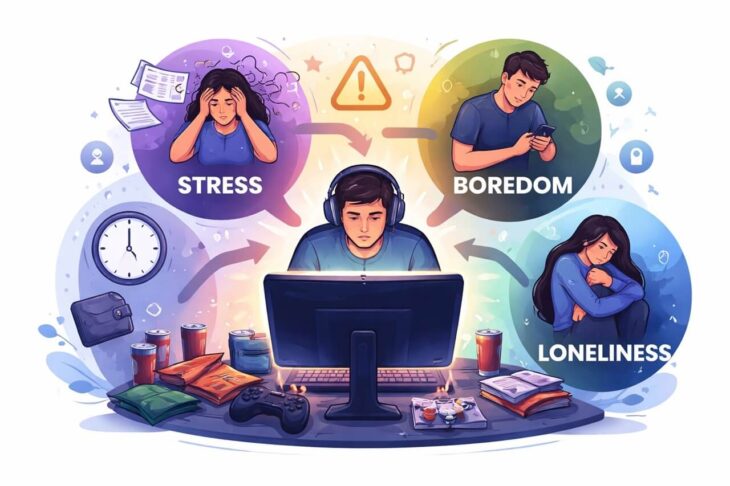
Patterns behind gaming addiction rarely appear randomly. Certain emotional pressures tend to push people closer to excessive play. Stress, boredom, and loneliness show up again and again in personal stories, clinical reports, and everyday conversations with players and families. Each trigger operates differently, yet all three feed the same cycle of escape and reinforcement.
Exploring how those forces operate, and how to respond with practical steps, can make a meaningful difference for players and for people who care about them.
How Gaming Becomes a Coping Tool
Before exploring specific triggers, it helps to look at why video games hold such a strong emotional pull.
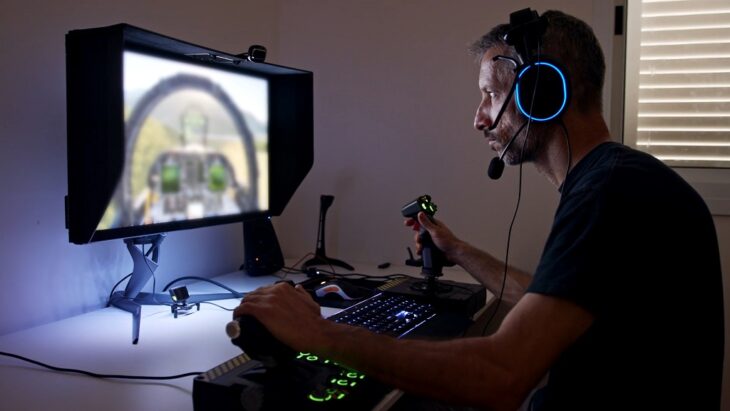
Games deliver immediate structure, feedback, progress, and reward. Clear goals appear on screen. Effort produces visible results. Challenges feel manageable. Social spaces inside games often feel safer and more predictable than offline interactions.
When real life feels unstable or overwhelming, games become a refuge. Over time, refuge turns into routine. Routine turns into reliance.
Addiction does not develop because of weak character or lack of discipline. It grows from repeated attempts to regulate mood and experience relief. Gaming simply happens to be very effective at providing that relief in the short term.
Stress as a Primary Trigger
How Stress Drives Excessive Play

Stress remains one of the strongest predictors of problematic gaming behavior. Work pressure, academic overload, financial strain, family conflict, health concerns, and social anxiety all place heavy demands on the nervous system. When stress accumulates without healthy release, the brain seeks fast relief.
Games deliver that relief through:
- Distraction from racing thoughts
- Clear objectives that replace vague worries
- Reward loops that boost dopamine
- A sense of control is missing in daily life
After a stressful day, logging into a game offers immediate emotional regulation. Over time, the brain starts associating gaming with safety and calm. Other coping tools slowly lose appeal.
Stress Patterns Seen in Problematic Gaming
Common patterns often appear:
| Stress Source | Typical Gaming Response | Long-Term Effect |
| Work overload | Late-night gaming sessions | Sleep disruption, fatigue |
| Academic pressure | Marathon gaming weekends | Missed deadlines, falling grades |
| Family conflict | Escaping into online worlds | Emotional withdrawal |
| Financial strain | Avoidance through play | Heightened anxiety after sessions |
As stress continues, gaming time grows. Responsibilities pile up. Stress intensifies. The cycle strengthens.
Boredom and the Need for Stimulation
Why Boredom Feeds Gaming Dependence

Boredom sounds mild, yet prolonged boredom can feel deeply uncomfortable. Lack of meaningful activity, lack of structure, and lack of novelty leave the brain craving stimulation. Games excel at solving that problem.
Modern games provide:
- Constant sensory input
- Rapid pacing
- Progressive challenges
- Social interaction on demand
For someone facing long unstructured days, unemployment, academic gaps, injury recovery, or isolation, gaming fills empty time with color and momentum. Gradually, the brain becomes less tolerant of slower activities like reading, conversation, exercise, or reflection.
Boredom and Escalation of Playtime
When boredom persists, playtime often escalates in predictable stages:
| Stage | Description |
| Initial relief | Short sessions ease restlessness |
| Extended sessions | Hours pass quickly during play |
| Loss of interest in alternatives | Other hobbies feel dull |
| Compulsion | Gaming fills nearly all free time |
Boredom stops feeling like a temporary state. Gaming becomes the main solution for emotional flatness.
Loneliness and Social Substitution
How Loneliness Connects to Gaming Addiction
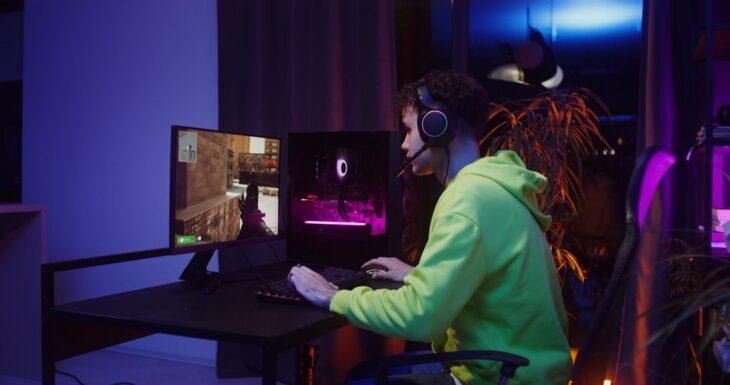
Loneliness cuts deeper than simple solitude. It involves longing for connection, belonging, and being valued. Online games offer powerful social substitutes. Guilds, teams, voice chats, and shared missions create real emotional bonds.
For people who struggle with:
- Social anxiety
- Limited offline friendships
- Relocation or life transitions
- Family estrangement, Gaming communities can feel like home. Avatars become extensions of identity. Group activities inside games deliver camaraderie, cooperation, and purpose.
Over time, the pull intensifies. Offline relationships may feel awkward or disappointing by comparison. Gaming becomes the main social outlet.
The Risk of Emotional Overreliance
Emotional needs met primarily through games create vulnerability. When servers go down, conflicts arise, or in-game relationships shift, emotional stability wobbles. Offline support may feel underdeveloped. Isolation increases despite constant digital interaction.
Loneliness fuels gaming. Gaming deepens isolation. The loop tightens.
When Triggers Intersect
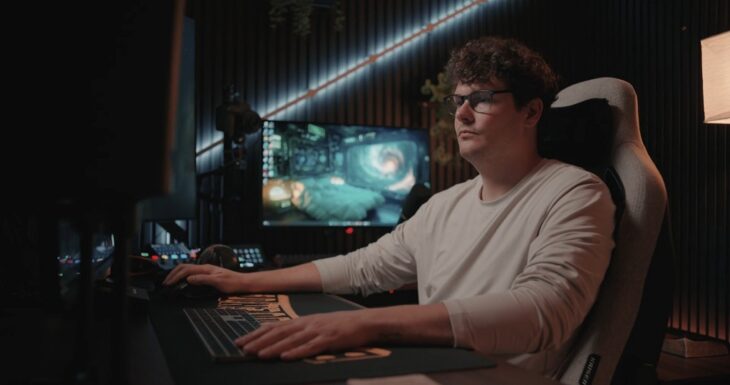
Stress, boredom, and loneliness rarely appear alone. Many players experience all three simultaneously. A student away from home faces academic pressure, free hours between classes, and missing family. An unemployed adult faces financial worry, empty days, and shrinking social circles. A caregiver faces chronic stress, limited personal time, and emotional isolation.
Combined triggers accelerate dependence.
As treatment models for behavioral addiction continue to evolve, many clinicians are noticing familiar patterns across different forms of dependency. Emotional regulation difficulties, avoidance coping, stress overload, and impaired impulse control show up in remarkably similar ways whether the behavior involves substances or screens. For that reason, some recovery programs that traditionally focused on substance use have expanded their approach to include behavioral conditions like gaming addiction.
In practice, centers such as alcohol rehabs often work closely with behavioral health specialists, building treatment plans around the same core skills: managing emotional distress, restructuring habits, restoring healthy reward systems, and strengthening long-term coping strategies. That shared framework reflects how deeply interconnected emotional health is across different forms of addiction.
Recognizing Warning Signs
Early recognition helps prevent deeper entrenchment. Warning signs often include:
- Increasing gaming hours despite negative consequences
- Irritability or anxiety when unable to play
- Declining performance at work or school
- Sleep disruption
- Withdrawal from offline relationships
- Loss of interest in previous hobbies
Family members and partners often notice subtle changes before the player does. Conversations around gaming feel tense. Defensiveness rises. Rationalization grows.
How To Respond With Practical Steps
Step 1: Reduce Trigger Load
Effective response to gaming addiction begins by easing emotional pressure rather than focusing only on hours spent playing. Stress, boredom, and loneliness act like fuel. When pressure drops, the urge to escape into gaming weakens on its own.
Stress management often starts with stabilizing the body. Consistent sleep schedules create predictable rhythms for the nervous system. Regular physical movement releases tension that builds throughout the day. Simple breathing techniques practiced during peak anxiety bring heart rate and thoughts back into calmer ranges. Large tasks feel less overwhelming when divided into smaller steps. Scheduled screen-free downtime gives the brain space to reset instead of constantly chasing stimulation.
Boredom requires structure and meaningful engagement. A day organized with time blocks reduces drifting and restlessness. Low-stimulation activities, reintroduced slowly, help retrain attention. Hands-on hobbies such as cooking, woodworking, music, or gardening restore satisfaction through tangible progress. Volunteering builds routine and purpose while creating natural social contact.
Loneliness softens when connection becomes intentional. Clubs, classes, and sports groups provide regular social interaction without pressure. Weekly commitments create something dependable to look forward to. Reconnecting with old friends revives familiar bonds. Group therapy and peer support groups offer shared experience and validation in a safe setting.
As emotional pressure decreases, reliance on gaming naturally weakens, and healthier coping becomes more accessible.
Step 2: Rebuild Reward Systems
Gaming reshapes the brain’s reward circuitry. Recovery depends on constructing new sources of satisfaction that deliver consistent positive feedback. Progress comes from repetition rather than intensity.
| Replacement Activity | Primary Reward |
| Exercise | Endorphin release and physical energy |
| Learning a skill | Sense of progress and mastery |
| Creative projects | Expression and flow |
| Social engagement | Belonging and validation |
| Nature exposure | Calm and mental restoration |
Small daily experiences gradually restore balance and reduce the emotional grip of gaming.
Step 3: Set Structured Gaming Limits
For many players, immediate elimination of gaming feels unrealistic and unsustainable. Structured limits provide control while allowing continued enjoyment. Clear boundaries convert gaming from an emotional reflex into a deliberate choice.
Many find success by defining specific gaming days and non-gaming days, using alarms to signal session endings, removing gaming devices from bedrooms, turning off in-game notifications, and recording weekly hours on paper to maintain awareness. Over time, structure strengthens discipline without relying on constant self-control.
Step 4: Repair Relationships and Communication
Gaming addiction often damages trust and closeness. Repair begins with honest conversation grounded in respect. Productive dialogue focuses on personal impact rather than demands or accusations. Acknowledging emotional struggles behind gaming reduces defensiveness. Collaborative problem solving invites shared ownership of change. Shared boundaries around time and space protect both individual recovery and relationship stability.
Supportive communication lowers shame, encourages accountability, and creates an environment where progress feels possible.
Step 5: Seek Professional Support When Needed
Outside support often accelerates recovery. Cognitive behavioral therapy helps reframe habits and emotional responses. Addiction counseling addresses compulsive patterns directly. Group therapy for behavioral addictions offers shared experience and accountability. Psychiatric evaluation identifies anxiety, depression, or other conditions that may intensify gaming reliance. Professional care builds lasting coping skills beyond sheer willpower.
Closing Thoughts
Video gaming addiction grows from emotional needs that deserve care and attention. Stress seeks relief. Boredom seeks stimulation. Loneliness seeks belonging. Games meet those needs quickly, powerfully, and temporarily.
Responding effectively means strengthening real-world coping, rebuilding reward systems, and restoring balance. With steady support, practical tools, and patience, players can reclaim control of time, energy, and well-being while keeping games in a healthier place within life.