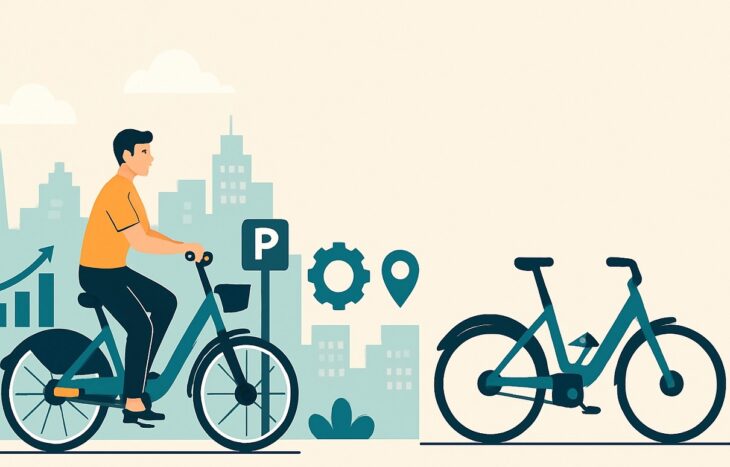
Global interest in cleaner and cheaper city travel keeps fueling demand for e-bikes in 2025.
Urban congestion, high fuel prices, and pressure on public transport encourage commuters to look for practical alternatives.
E-bike rental operators benefit directly because many people prefer access over ownership, especially in crowded cities.
New challenges now shape the industry. Market saturation in major cities, shifting rider habits, and tighter rules force operators to rethink strategy.
Investors and founders often ask if e-bike rentals still offer strong margins or if the sector has reached maturity.
A look at current conditions helps reveal how to run a successful operation in 2025.
The 2025 E-Bike Market
Demand for e-bikes keeps growing as riders search for faster and cleaner ways to get around cities.
Users praise:
- Stronger motors
- Longer battery life
- Improved comfort
Big cities such as London continue to set new ridership records across multiple bike-share programs.
Cheaper imports now play a major role because anti-dumping duties in the UK were removed for many models.
A wave of low-cost but high-quality e-bikes reached the market, creating a buyer’s market for fleets and private consumers.
Operators can acquire better hardware at a lower cost compared to previous years.
Adoption patterns differ across regions. Some countries experience rapid acceleration driven by infrastructure investments, while others slow down due to regulatory friction or resource gaps.
Operators need local research before committing capital.

Changing Demographics and Usage Patterns
Younger renters dominate short-term e-bike usage, especially in dense housing markets.
Average flat sizes continue shrinking, and many renters lack storage for full-size bikes.
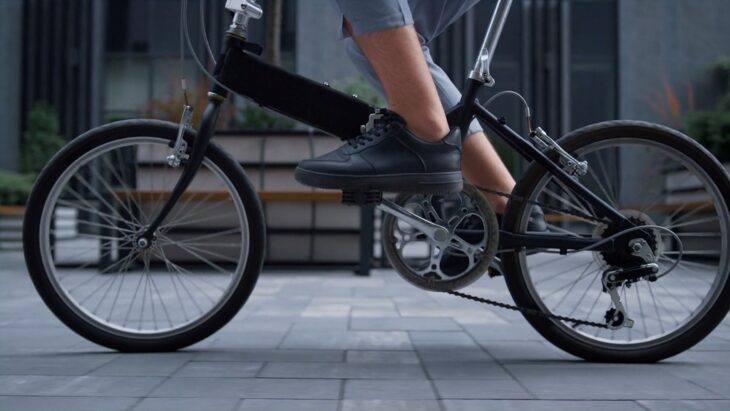
Folding e-bikes grab a bigger share because they fit easily into apartments and comply with landlord restrictions.
E-bike ownership still leans toward older riders who have stable incomes and the ability to spend on higher-end models.
First-time buyers often choose rentals or mid-priced units under 2,000 pounds as a low-risk entry point.
Regulation and Safety Developments
Battery fires and unsafe conversion kits push regulators to consider stricter rules.
Many direct-to-consumer conversion systems lack proper testing, so new safety standards aim to reduce risks.
City infrastructure has not kept pace with rising demand. Riders frequently struggle to secure bikes on the street, leading to higher theft rates.
Operators must invest in insurance that covers liability, damage, and loss, especially in high-traffic areas.
As the number of riders increases, so does the risk of accidents, especially in dense urban areas. In such cases, seeking guidance from a qualified bicycle accident attorney can be essential for navigating legal claims and recovering damages.
Business Models That Work in 2025
E-bike rentals in 2025 rely heavily on operational efficiency, smart technology, and parking control.
Multiple approaches exist, each shaped by city rules, rider expectations, and cost structures.
Founders must evaluate local habits and physical infrastructure before choosing a model.
Dockless, Station-Based, and Hybrid Models

Riders value flexibility, and operators look for cost-effective deployment. Each model delivers different strengths and drawbacks.
Dockless systems offer quick access because users unlock bikes anywhere within a service zone. Major global brands still rely on this structure.
Convenience remains strong, although operators face challenges related to theft, abandoned bikes, and expensive redistribution tasks.
Uncontrolled parking often leads to city complaints and fines.
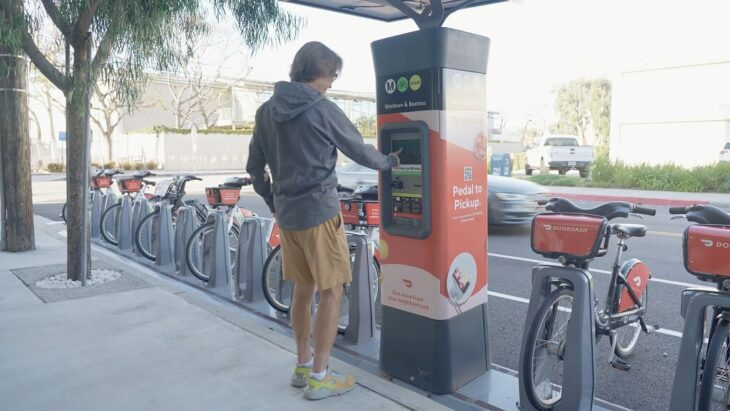
Station-based systems introduce more structure. Physical docks guide riders toward approved parking spots and simplify maintenance routines.
Predictability helps with planning, yet fixed docks reduce flexibility and require high initial investment.
Hybrid systems grew popular in 2025 because they reduce chaos without adding heavy infrastructure.
Riders enjoy freedom within city limits, but must return bikes to digital parking spots controlled by GPS and app-based rules.
Operators gain far more oversight while keeping costs manageable. More complex software handles virtual parking zones, entry rules, and real-time inventory control.
Integration with City Bike Programs
Growing pressure on cities to avoid sidewalk clutter pushed officials to prefer semi-docked systems.
Operators now collaborate closely with transport authorities, planning parking zones around mobility hubs, residential areas, and commercial districts.
Riders often confirm proper parking by uploading a quick photo inside the app. This practice helps maintain order and reduces ticketing issues.
Stricter enforcement encourages smoother public adoption and better city relationships.
Startup Considerations in 2025
Successful operations depend on smarter planning, regulatory awareness, and strategic location choices.
A startup that handles these areas early improves its odds of long-term stability.
Planning and Legal Compliance
Strong planning sets a solid foundation for efficient operations.
Founders benefit from building a complete roadmap that covers market analysis, rental structure, financial projections, and technology decisions.
Cities maintain strict requirements concerning insurance, liability, and local permits.
Accessibility rules influence fleet design, and mobility regulations shape deployment limits.
A reliable legal framework reduces unexpected penalties and protects both riders and operators.
Choosing the Right Location
Choice of location influences demand more than any other factor.
Areas with constant foot traffic, reliable paths, and minimal transport alternatives often deliver strong performance.
A short list of advantages to look for helps with quicker decisions:
- Cycle lanes or dedicated riding paths
- Tourist zones with steady visitor flow
- Neighborhoods lacking efficient bus or rail service
- Safe parking areas that lower theft risk
Locations with weak public transport usually produce longer rides, higher usage frequency, and stronger customer retention.
Selecting and Managing the Fleet
E-bike fleets form the core of the business. New operators commonly begin with a small set of 10 to 20 units and expand only after reviewing actual ride data.
Smart expansion keeps maintenance costs under control.
Modern rental fleets benefit from standard features such as GPS units, long-lasting batteries, secure locks, and adjustable components for comfort.
IoT capabilities support remote diagnostics and reduce downtime.
Upgrades that enhance rider comfort create a meaningful impact:
- Helmets
- Baskets
- Phone holders
- Spare chargers for longer trips
These additions improve satisfaction and help drive repeat rentals.
Tech, Innovation, and App Integration
Software quality shapes rider confidence and operational efficiency. Strong systems reduce friction at every stage of the trip.
Rental App Essentials
Smooth user experience starts inside the rental app.
Riders need clear instructions, fast unlocking, dependable tracking, and secure payment options.
QR and Bluetooth access, accurate GPS location, and simple ride summaries help maintain trust.
Customer support built into the app boosts resolution speed. Push notifications help users track active rides, charges, and safety reminders.
AI and Smart Features
AI-supported tools gained major traction in 2025. Ride planning adjusts automatically based on elevation, rider behavior, and battery levels.
Maintenance predictions reduce downtime by flagging early signs of motor wear or battery decline.
Smart energy optimization improves battery life, reduces mid-ride shutdowns, and lowers repair expenses.
Fleet Management Software
Modern fleet platforms automate many daily tasks by tracking live inventory, logging maintenance needs, and collecting rider patterns.
Managers gain clear insight into key indicators through real-time dashboards.
Data gathered by these systems helps operators adjust pricing, relocate bikes to high-demand areas, and reduce mechanical issues before they affect riders.
Cost, Pricing, and Revenue Strategy
Market competition in 2025 requires creative pricing and sharper ROI planning.
Lower acquisition costs now give operators better margins, but strategic management remains essential.

Pricing Models
Multiple pricing formats invite different customer groups. Short-term visitors often choose hourly or daily rates, while locals prefer subscriptions.
Seasonal promotions encourage new riders, especially during holidays or summer months.
Rewards programs support long-term retention through incentives such as:
- Discounts for frequent riders
- Referral rewards for inviting friends
- Access perks during peak hours
ROI Considerations
Falling e-bike prices and cheaper raw materials lowered initial investment requirements. Batteries cost far less than in previous years, improving overall profitability.
Faster break-even timelines encourage new entrants, although ongoing maintenance still requires careful attention.
Key performance indicators guide smarter decisions:
- Average rides per bike per day
- Customer acquisition cost
- Maintenance frequency
- Bike downtime
- Subscription proportion versus single-trip usage
Higher retention leads to stronger margins and more predictable revenue.
The Bottom Line
E-bike rentals remain a strong business choice in 2025, but operators must work smarter.
Lean operations, sharp pricing, and efficient logistics outperform heavy infrastructure spending.
AI-enabled fleet management, high-quality hardware, and strict compliance reduce risk.
Success depends on adapting to local conditions, investing in reliable tech, and focusing on customer value.