Business trips create opportunities for trust, credibility, and stronger professional relationships.
Successful client interactions depend on preparation, professionalism, hospitality, and reliable follow-up.
Corporate hospitality gives clients a chance to experience the company culture in a relaxed setting, instead of a formal conference room alone.
Careful planning helps clients feel respected, comfortable, and confident about future cooperation.
Genuine attention, active listening, and thoughtful actions often leave a stronger impression than expensive presentations or luxury entertainment.
Positive experiences encourage long-term partnerships and future recommendations.
Prepare With the Client in Mind
Preparation improves meeting quality and reduces avoidable problems during a business trip.
Clients notice when professionals arrive informed, organized, and aware of important company details.
Research should begin before travel dates are confirmed.
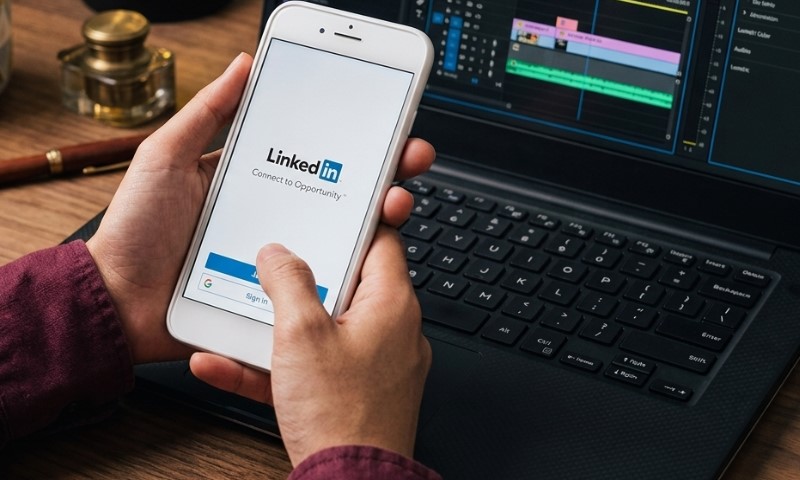
Company websites, press releases, LinkedIn profiles, quarterly reports, and industry news can help shape stronger conversations.
Important areas worth reviewing include:
- Client goals and current priorities
- Leadership structure and decision-makers
- Recent company announcements
- Industry competition and market pressure
- Professional background of attendees
- Shared connections or interests
- Previous conversations and communication history
LinkedIn profiles can reveal career paths, certifications, volunteer work, and professional interests. Personal details should enter conversations naturally instead of sounding rehearsed.
Scheduling also requires close attention. Confirmed meeting times reduce confusion and show respect for client schedules.
Organized professionals review logistical details before departure instead of solving problems at the last minute.
Comfort matters during planning. Dietary restrictions, accessibility needs, preferred meeting times, and scheduling limitations should receive attention before reservations are finalized.
Local knowledge becomes valuable during meetings in another city. Familiarity with transportation, restaurant options, and nearby gathering spots creates smoother experiences.
Restaurant reservations should happen early in busy cities. Delayed planning can limit options and create unnecessary stress.
Small Details That Build Trust
Small details often influence client perception more than formal presentations. Professionals who remember names, preferences, and previous conversations usually create stronger relationships.
Personal entertainment choices should stay completely separate from client hospitality and company-funded activities.
Adult-oriented services, including sites such as targetescorts.com, should never be presented as client entertainment, business hospitality, or part of a professional itinerary.
Thoughtful references can make conversations feel more attentive. Mentioning a recent company achievement or previous discussion shows genuine attention.
Clients also observe behavior outside direct business conversation.
Professional treatment of restaurant staff, drivers, assistants, and hotel employees influences how people judge character and leadership style.
Professional conduct should include:
- Polite communication with service staff
- Patience during delays
- Calm responses during stressful moments
- Respectful tone during disagreements
- Appreciation toward assistants and coordinators
Negative reactions toward small service problems can damage trust quickly.
Alcohol consumption requires careful judgment during client dinners. Matching the client’s pace can help maintain comfort during meals.
Dining etiquette also matters. Helpful menu suggestions can reduce awkwardness and reassure guests during ordering.
Payment should happen discreetly whenever possible. Quiet coordination with restaurant staff usually creates smoother experiences than public discussions about payment.
Transportation support, local recommendations, and schedule flexibility can improve client comfort significantly.
Prepared professionals stay calm during these moments and focus on solutions.
Show Professionalism and Genuine Interest During the Meeting
View this post on Instagram
Early arrival creates time for preparation and problem-solving before meetings begin. Rushed entrances can damage first impressions immediately.
Appearance should match the client environment instead of looking overly formal or too casual.
Organized materials, confident communication, and professional body language help establish credibility.
A brief casual conversation can reduce tension before business discussions begin. Safe conversation topics may include travel, industry events, or local recommendations.
Useful conversation starters include:
- Recent conferences or trade shows
- Industry news
- Company achievements
- Shared professional experiences
- Local restaurants or city experiences
Client priorities should guide the discussion instead of a generic sales presentation. Strong professionals ask thoughtful questions and allow clients enough space to explain concerns and goals clearly.
Careful listening often creates stronger trust than excessive talking. Clients usually appreciate professionals who pay attention instead of constantly interrupting.
Shared interests and similar experiences can support a stronger rapport during discussions. Common business challenges often create natural conversation without forcing personal topics.
Meeting pace also deserves attention. Flexible professionals recognize when clients appear tired, rushed, distracted, or highly engaged in specific topics.
Professionalism depends on preparation, respectful communication, time awareness, and sincere interest in client success.
Client Dinner or Entertainment

Entertainment choices should create comfort instead of pressure. Restaurant selection works best when matched with client personality, schedule, and preferences.
Strong venue choices usually provide:
- Quiet conversation areas
- Comfortable seating
- Reliable service
- Convenient transportation access
- Flexible menu options
- Professional atmosphere
Loud music, crowded seating, and poor lighting can damage conversation quality even inside highly rated venues.
Local recommendations can improve the experience, especially during meetings inside the client’s city.
Asking clients for suggestions can make them feel respected and involved.
Alternative activities sometimes create more relaxed interaction than formal dinners.
Suitable entertainment ideas include:
- Coffee meetings
- Art events or gallery openings
- Scenic rooftop drinks
- Casual lunch meetings
- Waterfront walks
- Live music venues with moderate volume
Overly expensive or exhausting activities should stay off the schedule. Clients may feel uncomfortable during events requiring excessive time or physical effort.
Physical activities require caution because comfort levels vary significantly. Golf outings, hiking trips, horseback riding, or lengthy walking tours should only happen after confirming client interest.
Flexible scheduling usually creates smoother experiences than overloaded itineraries. Clients rarely need nonstop entertainment throughout the trip.
Early arrival before dinner allows hosts to review seating arrangements and coordinate with restaurant staff.
Seating near kitchens, restrooms, or loud groups can distract attention during important conversations.
After the Trip – Follow Up Promptly

Follow-up communication helps maintain momentum after meetings and dinners conclude. Prompt responses reinforce professionalism and reliability.
Thank-you messages should feel personal instead of generic. Specific references help clients recognize genuine attention.
Strong follow-up communication may include:
- Appreciation for meeting time
- Reference to discussion topics
- Requested documents or presentations
- Introductions promised during meetings
- Clarification regarding next steps
- Additional resources connected with client goals
Reliable follow-through often separates strong professionals from forgettable ones. Clients pay attention to consistency between promises and actions.
Continued value can help maintain positive relationships without excessive sales pressure. Helpful resources, introductions, or industry insights can keep communication productive after the trip concludes.
Thoughtful appreciation gestures may strengthen professional relationships when company policy allows them.
Appropriate appreciation ideas may include:
- Small local specialty items
- Books connected with professional interests
- Handwritten thank-you notes
- Personalized business gifts within company guidelines
Consistent professionalism before, during, and after the trip often leaves the strongest impression on potential clients.
Summary
Successful business trips help clients feel respected, comfortable, and valued.
Meetings demonstrate competence while dinners reveal:
- Judgment
- Professionalism
- Interpersonal skills
Consistent preparation, attentive listening, and dependable follow-through create stronger trust over time.
Genuine care and thoughtful actions usually create stronger impressions than flashy entertainment or expensive presentations.
Strong relationships often begin with simple details handled professionally and respectfully.