Saving money can feel almost impossible when rent, groceries, transportation, debt payments, and everyday purchases consume most of each paycheck.
Money enters the account, bills clear, a few ordinary purchases happen, and suddenly the balance looks much smaller than expected.
Budgeting does not have to mean recording every coffee, eliminating entertainment, or checking a spreadsheet several times a day.
Some systems require detailed planning, while others rely mostly on automation and a few broad rules.
Seven budgeting methods offer different ways to control spending, automate saving, and create habits that can last longer than a short burst of motivation.
1. 50/30/20 Budget is the Best One for Beginners

Few budgeting systems are easier to grasp than the 50/30/20 method.
Instead of creating dozens of spending categories, you organize your take-home income into three large groups.
A traditional split looks like this:
| Budget Category | Percentage | Includes |
| Needs | 50% | Housing, utilities, groceries, transportation, insurance, and minimum debt payments |
| Wants | 30% | Restaurants, subscriptions, entertainment, travel, and nonessential shopping |
| Savings and Debt | 20% | Savings, investing, or additional debt repayment |
Savings receive a planned share of income instead of whatever cash happens to be left near payday.
Rigid percentages are not necessary. Someone facing unusually high housing costs may find 50% for needs unrealistic.
Alternatives such as 70/20/10 or 60/20/20 can work better when essential expenses take up a larger share of income.
Flexibility matters more than perfectly matching a famous formula. A person using 70% for necessities, 15% for personal spending, and 15% for savings is still building a deliberate system.
2. Zero-Based Budgeting is Best for People Who Wonder Where Their Money Went
Zero-based budgeting gives every dollar a job before spending begins.
Income is assigned across categories such as housing, groceries, transportation, entertainment, debt repayment, emergency savings, retirement, and other goals.
After every dollar has been assigned, planned income minus planned spending and saving equals zero.
A zero balance in this context does not mean spending everything. Money placed into savings has already been given a purpose.
It is also helpful to understand the pros and cons of zero-based budgeting before deciding whether this level of structure fits your spending habits.
Someone earning $4,000 after taxes might allocate $1,500 to housing, $600 to food and transportation, $500 to debt, $400 to savings, and the rest across utilities, insurance, entertainment, and other expenses.
Every dollar has instructions.
3. Envelope Budget is Best for Chronic Overspenders

Envelope budgeting creates a hard spending limit for categories that tend to get out of control.
Traditional versions use physical cash. Modern versions can use separate digital spending pots, bank subaccounts, or budgeting app categories.
Common envelope categories include:
- Groceries
- Dining out
- Entertainment
- Clothing
- Personal shopping
Imagine allocating $300 for restaurants during a month. Once that envelope reaches zero, restaurant spending stops until the next budgeting period.
No complicated calculation is needed. Available money is visible immediately.
4. Pay Yourself First is Best for People Who Always Forget to Save
Pay-yourself-first budgeting reverses the usual order of personal finance.
Many people pay bills, spend throughout the month, and then try to save anything left over.
Pay yourself first changes that sequence.
Savings move out of your spending account as soon as income arrives. Bills and everyday expenses are then paid using what is left.
A person receiving a $2,500 paycheck might automatically transfer $150 into savings on payday. That money disappears before it can casually turn into restaurant meals, online purchases, or upgrades.
5. 80/20 Budget is Best for People Who Hate Tracking Expenses
Some people dislike budgeting because every method seems to require categories, apps, spreadsheets, receipts, and constant monitoring.
An 80/20 budget removes most of that work.
Traditional 80/20 budgeting follows one basic rule: save 20% of income first and use the other 80% for everything else.
Housing, groceries, entertainment, utilities, subscriptions, and shopping all come out of the same 80% pool.
No detailed spending categories are required.
6. Values-Based Budgeting is Best for People Who Feel Restricted by Traditional Budgets
Values-based budgeting starts with a different question.
Instead of asking, “What can I cut?” you ask, “What is worth spending money on?”
Priorities might include family, travel, fitness, education, hobbies, homeownership, or financial independence.
Money can then be directed toward those priorities while expenses that add little satisfaction receive closer scrutiny.
Someone who loves travel may happily spend $2,000 on a yearly vacation while cutting unused subscriptions, frequent food delivery, and impulsive clothing purchases.
Another person may prefer a larger home, expensive fitness classes, or regular family activities while spending very little on travel.
Budgeting becomes less about eliminating enjoyment and more about choosing which expenses deserve your money.
7. Anti-Budget is Best for People Who Want the Simplest Possible System
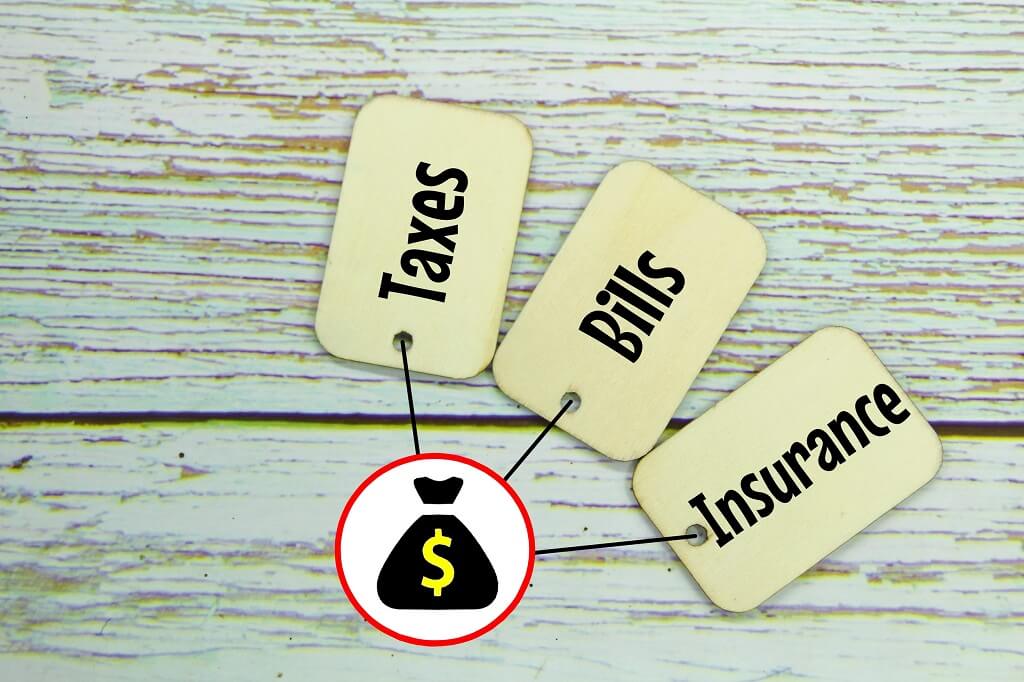
Anti-budgeting removes most traditional budgeting tasks.
Financial priorities are automated first. Whatever is left can then be spent without tracking dozens of categories.
Priorities commonly include:
- Savings
- Retirement contributions
- Debt payments
- Rent or mortgage payments
- Utilities
- Insurance
After those obligations are covered, money left in checking becomes available for ordinary spending.
No weekly spreadsheet review is required. No restaurant category needs to be updated after dinner.
8. Weekly Budgeting is Best for People Who Spend Too Much Early in the Month
Monthly budgets can feel deceptively generous during the first week. Seeing several hundred dollars available for groceries, entertainment, and personal spending may make it easy to spend too quickly and struggle later.
Weekly budgeting breaks variable spending into smaller, shorter periods.
Start by subtracting fixed expenses, savings contributions, and debt payments. Divide whatever is available for flexible spending across the number of weeks until your next paycheck or monthly reset.
For example, someone with $800 available for groceries, restaurants, entertainment, and personal purchases could set a weekly limit of about $200.
Summary
No budgeting method works perfectly for everyone.
Complex systems can help people who enjoy detailed control. Simple systems can work better for people who lose interest when money management becomes too time-consuming.
Choose the method that addresses your biggest obstacle.
Envelope budgeting can put firm limits around problem categories. Zero-based budgeting can show exactly where each dollar is going. Pay-yourself-first and 80/20 systems can make saving easier for people who dislike constant tracking.