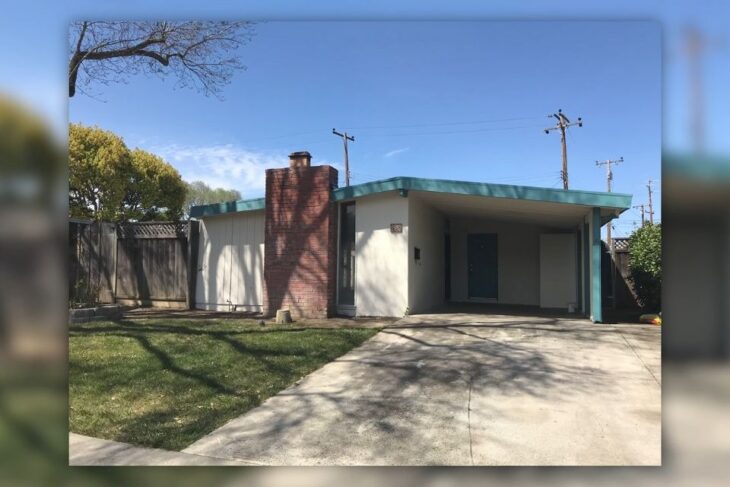
House flipping often gets sold as a fast path to big money, especially on television and social media. Reality TV edits months of work into short episodes and presents profits that rarely reflect real outcomes.
Seminars and online gurus reinforce similar ideas, pushing speed and confidence over preparation.
Actual flipping works very differently. Costs stack up quickly, timelines stretch, and mistakes get expensive.
Many beginners fail before even starting because planning never matches real-world conditions.
Problems usually start with unrealistic expectations, weak financial modeling, and ignoring smaller value drivers.
Flawed Expectations Set by Media and Seminars
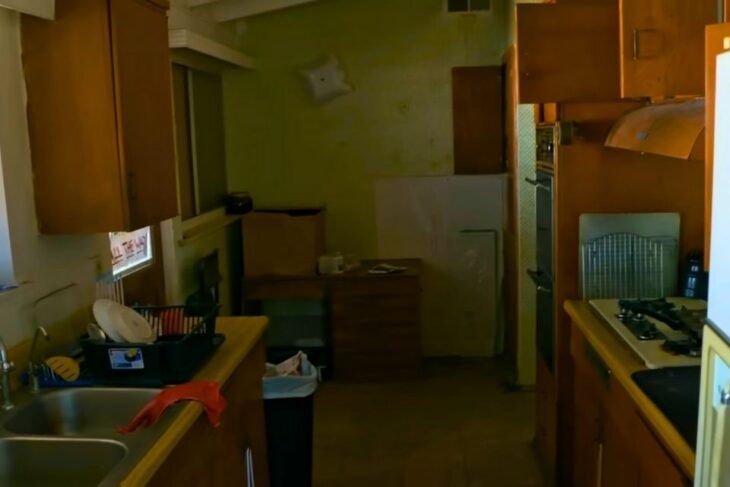
TV shows create a distorted picture of house flipping that pushes beginners toward false confidence.
Episodes compress long projects into short timelines and present profit numbers without showing how fragile those margins really are.
Editing removes most friction points, giving viewers a sense that success depends only on finding a house and adding cosmetic upgrades.
Several major cost categories rarely appear on screen, even though they directly reduce profit and often decide the outcome.
Financial reality usually includes:
- Selling expenses such as agent commissions and closing fees
- Carrying expenses like utilities, insurance, and property taxes
- Financing charges tied to short-term loans and interest
Real transactions often lose 10% to 20% of projected profit once those numbers enter the equation.
Viewers also see flippers completing much of the labor themselves, a strategy that rarely works once time, fatigue, and skill gaps show up.
Labor shortcuts usually trade speed and quality for a false sense of savings.
Seminars create a second layer of risk by turning education into urgency. Many programs charge tens of thousands of dollars for mentorships marketed as shortcuts.
Sales tactics focus on fast action rather than careful analysis.
Attendees often leave believing confidence replaces discipline, only to discover later that enthusiasm cannot fix weak math.
Lack of Financial Preparation and Cost Miscalculations

Poor budgeting destroys more projects than design mistakes.
First-time investors often calculate purchase price and renovation costs while ignoring how many expenses continue month after month.
Cost pressure usually builds across several categories that beginners fail to model accurately. Those expenses commonly include:
- Closing costs and resale fees
- Monthly carrying expenses tied to utilities and insurance
- Financing costs tied to high-interest short-term loans
Hard money financing can approach 10% interest, draining margins quickly as timelines stretch. Renovation budgets also suffer structural flaws.
Older homes hide expensive issues that surface only after demolition starts.
Plumbing failures, electrical defects, mold, and foundation problems appear regularly once walls open up.
Risk control requires a contingency buffer between 20% and 30% of renovation costs. Many beginners skip that buffer to make deals look better on paper.
Reality then forces unexpected borrowing or rushed decisions that hurt quality and resale value.
DIY renovation adds another layer of miscalculation. Many new flippers assume personal labor replaces contractor expense. Inexperience slows progress, extends holding periods, and multiplies carrying costs.
Savings disappear as months get added to schedules. Even seasoned investors have lost money after trying to manage too much labor themselves.
Poor Property Selection
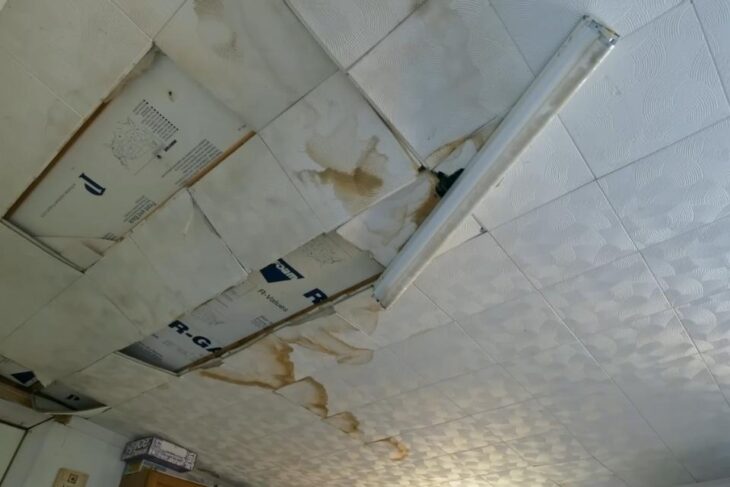
Bad deals cannot be repaired with better renovations.
Many beginners buy houses that demand excessive work, sit in weak locations, or cost too much relative to resale value.
Deal evaluation works best when clear pricing limits exist. A commonly used guideline helps protect margins by tying purchase price to future value. That formula sets a ceiling at:
- 70% of after-repair value
- Minus total renovation costs
Using that structure, a home worth $300,000 after repairs with $50,000 in work should cost no more than $160,000.
Paying above that number compresses profit before any work begins.
Competitive markets increase pressure. Bidding wars push emotions into decision-making. Confidence replaces discipline, and conservative assumptions get discarded.
Deals that feel exciting at purchase often fail once realistic costs get added back into projections.
Underwhelming Renovations That Do Not Match Buyer Demand
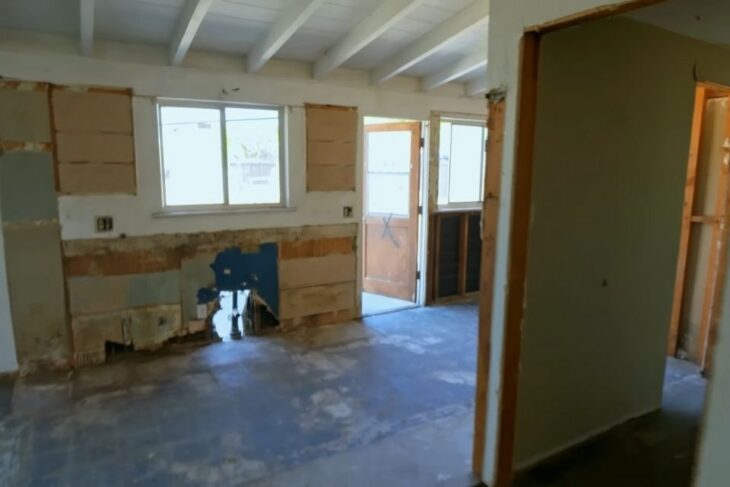
Renovation decisions often miss buyer expectations. New flippers tend to overspend on luxury finishes that do not align with neighborhood pricing. Money gets tied up in upgrades that buyers refuse to pay extra for.
Opposite mistakes also appear. Emotional triggers that influence purchase decisions get ignored. Exterior spaces receive minimal attention, even though first impressions shape buyer behavior.
Backyards with water features like ponds generate stronger emotional reactions and help listings separate themselves in competitive markets, especially when enhanced with high-quality lake and pond equipment.
Buyer response shifts noticeably in mid-range and higher-end segments. Outdoor enhancements affect perceived value and willingness to pay.
Many flippers focus almost exclusively on kitchens, bathrooms, and flooring, leaving exterior spaces underdeveloped and overpriced relative to the competition.
Unrealistic Timeframes
Time works against house flippers more than most beginners expect. Many assume projects finish in two or three months. Actual timelines rarely support that belief.
Project duration breaks into several stages, each with built-in uncertainty:
- Renovation periods lasting one to three months
- Listing phases that range anywhere between days and several months
- Closing windows that add another 30 to 60 days
Few projects have been completed in under six months, even under ideal conditions.
Every delay compounds carrying costs. Interest payments, utilities, insurance, and taxes continue regardless of progress.
Small scheduling slips quietly convert profits into losses.
Bad Contractor Management

Contractor problems derail many projects long before resale. Weak oversight creates delays, budget overruns, and declining workmanship.
Issues usually begin with unclear scopes of work or excessive upfront payments. Contractors juggling multiple jobs may slow progress or abandon projects entirely.
Lack of regular site visits allows small problems to grow unnoticed.
Project control improves when expectations stay precise and accountability remains consistent. Effective management relies on
Written scopes with defined deliverables:
- Payment schedules tied to completed milestones
- Frequent site visits and progress checks
Even experienced crews require supervision. Passive management often leads to rushed finishes and costly corrections near resale.
Legal and Regulatory Oversights
Rules and regulations catch many beginners off guard. Permits, zoning requirements, and local building codes add time and cost that rarely appear in early projections.
Skipping compliance risks fines, forced rework, and delayed closings.
Resale restrictions also shape exit strategies. Properties resold within 90 days cannot qualify for FHA financing, shrinking the buyer pool.
Reduced financing options often extend listing time or force price adjustments.
Tax exposure creates another layer of surprise. Flipping income usually counts as active income rather than long-term capital gains.
Higher tax rates apply, and self-employment tax may also enter the picture once flipping operates as a business.
The Bottom Line
Most first-time house flippers fail before construction begins due to overconfidence, weak budgeting, and poor planning. Numbers get stretched, timelines get ignored, and buyer behavior gets misunderstood.
Missing smaller value drivers is a larger issue. Thinking like an investor instead of a buyer leads to design and pricing mistakes.
Successful flipping requires conservative financial modeling, disciplined deal evaluation, strong contractor oversight, and renovation choices that align with buyer demand.