Team building in 2026 focuses on intentional experiences designed to strengthen trust, communication, and shared purpose.
One-time activities no longer satisfy modern teams shaped by hybrid work, geographic distribution, and higher expectations around culture and growth. Organizations now prioritize retreat-style trips that create space for connection, reflection, and active collaboration.
Employee expectations have shifted toward experiences that feel worthwhile, engaging, and relevant to daily work. Carefully designed trips create momentum that carries back into everyday collaboration.
Modern teams gravitate toward activities that combine movement, creativity, and meaning, especially when outcomes extend past the event itself.
Trip-based team building has become a strategic investment rather than a discretionary perk. Well-planned off-sites strengthen alignment, increase engagement, and reinforce shared values while giving teams space to reset and reconnect.
Trip Idea #1: Outdoor Adventure Expeditions
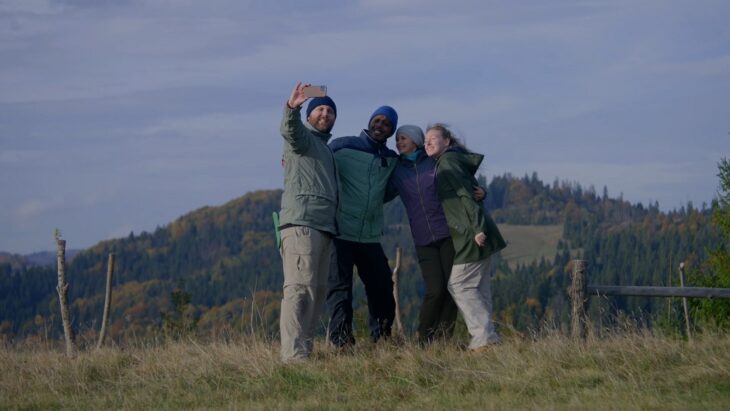
Outdoor expeditions foster trust through physical challenge and reliance on peer support.
Activities such as high-ropes courses, ziplining, and whitewater rafting remove formal hierarchies and place participants into situations that demand cooperation and encouragement.
Confidence grows when teammates rely on one another for safety and progress.
Nature-focused camps extend engagement across multiple days. Hiking, guided challenges, mindfulness sessions, and resilience exercises encourage reflection and deeper conversation.
Resilience exercises encourage reflection and deeper conversation. For teams seeking immersive outdoor experiences abroad, curated tours of Greece offer a balance of culture, adventure, and team bonding opportunities.
Distance from daily routines supports adaptability and strengthens problem-solving under unfamiliar conditions.
Inclusive design remains essential for participation and morale. Programs succeed when multiple contribution paths exist, including:
- Planning and route coordination roles
- Documentation or media capture responsibilities
- Facilitation or timekeeping assignments
Certified guides, transparent safety standards, and optional challenge levels maintain excitement while supporting comfort and accessibility for all participants.
Trip Idea #2: CSR and Adventure Combination Trips
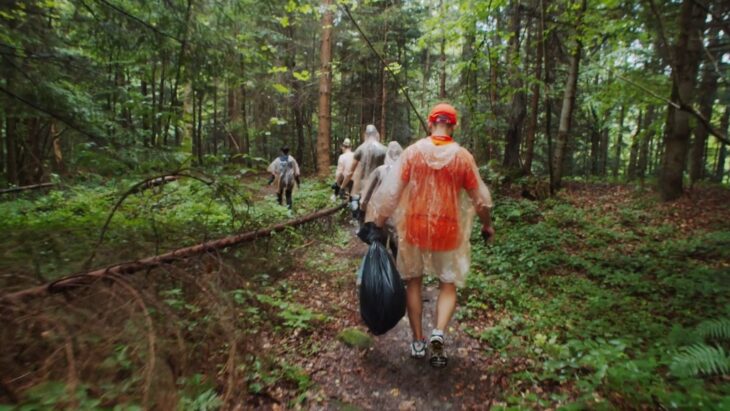
CSR-focused trips connect contribution with movement and shared challenge, creating motivation that lasts longer than traditional service days.
Participants work together on outcomes that support local causes, then shift into energizing activities that reinforce teamwork and momentum.
Bike building programs serve as a strong entry point.
Teams collaborate to assemble bicycles for:
- Children in need
- Requiring coordination
- Communication
- Quality control
Energy remains high when groups transition directly into fast-paced challenges that reward agility and creative thinking.
Outcomes consistently include a sense of accomplishment and collective pride tied to a visible result.
Several measurable factors contribute to engagement during these programs, including:
- Clear charitable beneficiaries that teams can visualize
- Physical tasks paired with time pressure to increase focus
- Immediate handoff or presentation of completed donations
View this post on Instagram
Care package initiatives follow a parallel structure while supporting flexibility across industries.
Teams assemble kits with essential items for shelters, schools, or community partners, then participate in trivia or competitive games tied to donation outcomes.
Correct answers or creative solutions unlock additional items added to the kits, reinforcing accountability and shared responsibility.
Volunteer-driven retreats extend impact through skill-based service. Groups apply professional expertise to nonprofit challenges such as website creation, operational process design, or housing support.
Alignment between daily work skills and service tasks strengthens relevance and reinforces organizational values.
Shared service consistently deepens interpersonal connections while providing tangible benefits to partner organizations.
Trip Idea #3: Tech-Enabled Urban Hunts
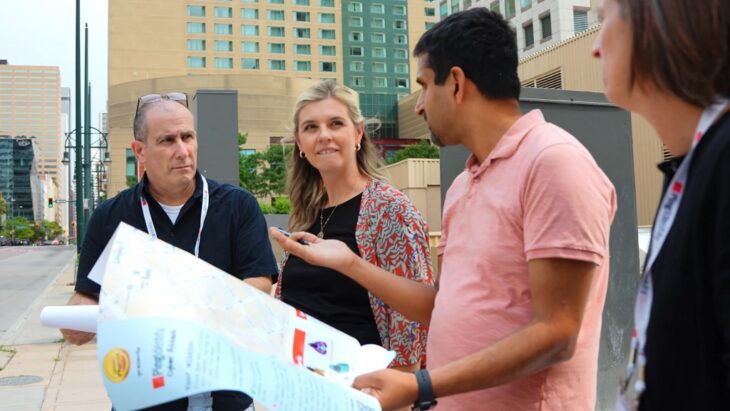
Urban hunts convert cities into collaborative problem-solving environments powered by mobile technology.
GPS-based challenges guide teams through checkpoints that combine puzzles, creative prompts, and movement.
Real-time scoring and live leaderboards sustain momentum and friendly competition across the experience.
Office-based or city-wide scavenger hunts support onboarding and cross-department connection.
New hires learn spaces, teams, and workflows through playful competition rather than passive orientation.
Automation platforms reduce manual coordination while providing participation data and performance insights.
Strategic layers increase relevance and alignment. Common enhancements include:
- Creativity bonuses tied to presentation or storytelling
- Tasks linked to company values or current initiatives
- Challenges requiring photo or video submissions for validation
Such elements encourage experimentation while reinforcing shared culture and collaboration habits.
Trip Idea #4: Creative Getaways
Creative retreats create conditions for psychological safety and open dialogue.
Culinary competitions place teams into time-bound environments that require delegation, prioritization, and coordination under pressure.
Scoring often rewards collaboration and process quality alongside finished dishes, reinforcing healthy team dynamics.
Arts-focused retreats offer lower-pressure engagement through hands-on creation.
Pottery, painting, mural design, and collaborative installations support expression without performance anxiety. Participants connect through shared creation rather than comparison.
Lasting impact increases when outputs remain visible after the event. Many programs conclude with outcomes such as:
- Displayed artwork in office spaces
- Shared photo documentation of the creation process
- Value-themed pieces tied to organizational principles
- Physical reminders reinforce memory and meaning long after the trip concludes.
Trip Idea #5: Strategic Problem-Solving Retreats
Problem-solving retreats sharpen communication, leadership, and decision-making under pressure.
Escape room experiences place teams inside time-bound scenarios that require information sharing, adaptability, and role clarity.
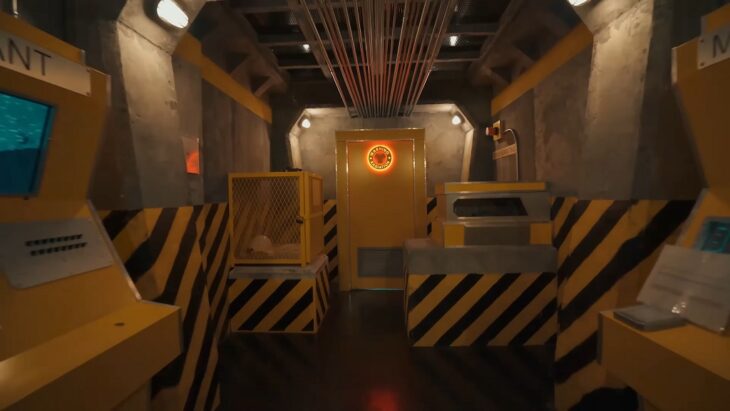
Observed behaviors provide immediate material for reflection.
Business simulations deepen insight through structured challenges.
Case-based exercises such as survival ranking scenarios reveal how teams prioritize information, manage conflict, and reach consensus.
Facilitated reflection connects observed behavior with daily workflows and collaboration patterns.
Effective application depends on guided analysis. Productive discussions often focus on:
- Moments where communication broke down
- Leadership shifts during uncertainty
- Decision-making speed versus accuracy
Actionable takeaways translate experience into improved collaboration back at work.
Trip Idea #6: Hybrid-Friendly Virtual and In-Person Blends
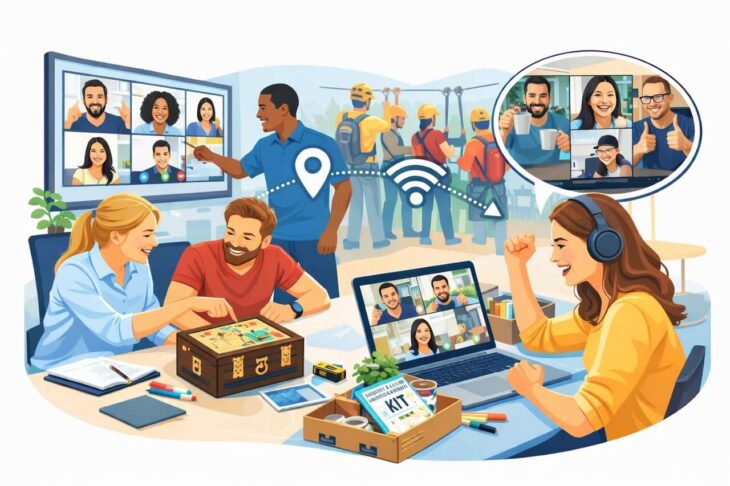
Hybrid-ready trips ensure meaningful participation across locations. Split-team missions pair remote and on-site groups working toward shared goals through coordinated digital platforms.
Session design prioritizes shorter segments and clear objectives to maintain focus and energy.
Mailed activity kits strengthen parity for remote participants.
Puzzle boxes, cooking components, or creative materials arrive in advance, building anticipation and shared context.
Hands-on elements support engagement without requiring physical presence.
Strong tools enable alignment and visibility across groups. Effective programs rely on systems that support:
- Live scoring and progress tracking
- Photo or video uploads for validation
- Instant communication across teams
Technology supports collaboration while preserving inclusion and momentum across all participants.
Summary
Effective team building trips in 2026 focus on connection, inclusion, and intentional design.
Successful programs strengthen trust, support communication, and reinforce organizational values while accommodating hybrid participation.
Purpose and play work together to create lasting impact. Teams leave with stronger relationships, shared language, and practical insights that support collaboration long after the event concludes.