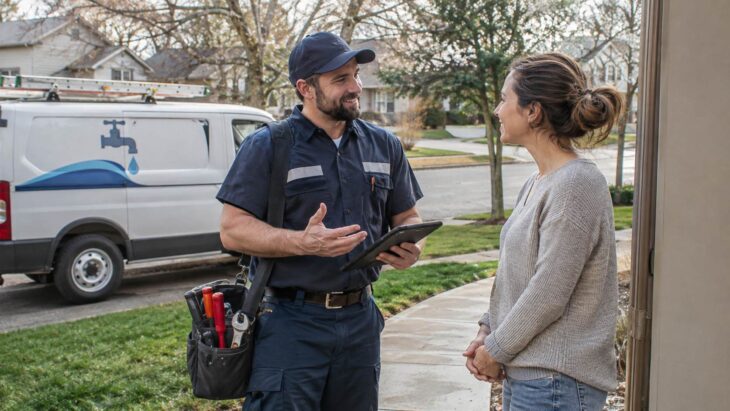
A homeowner discovers water leaking under the kitchen sink and calls three plumbing companies. The first never answers. The second promises to call back. The third picks up, asks a few questions, and offers an appointment that afternoon.
Guess which company is most likely to get the job?
For a small plumbing business, moments like these determine how customers remember you. The way you answer calls, explain repairs, and treat people’s homes can bring in more business than an expensive advertising campaign.
However, getting your name recognized across a town takes more than completing a few successful jobs. You need enough satisfied customers talking about your company, a visible presence in local searches, and a reason for people to remember your name the next time something goes wrong.
Start by Becoming the Plumber People Recommend
Think about the last time someone recommended a plumber to a friend. They probably mentioned that the plumber arrived when promised, fixed the problem, charged a fair amount, and left everything clean.
Those are the things customers remember.
For a small plumbing company, consistency is especially valuable. If you employ three technicians, every customer should receive a similar level of service regardless of who arrives at their property.
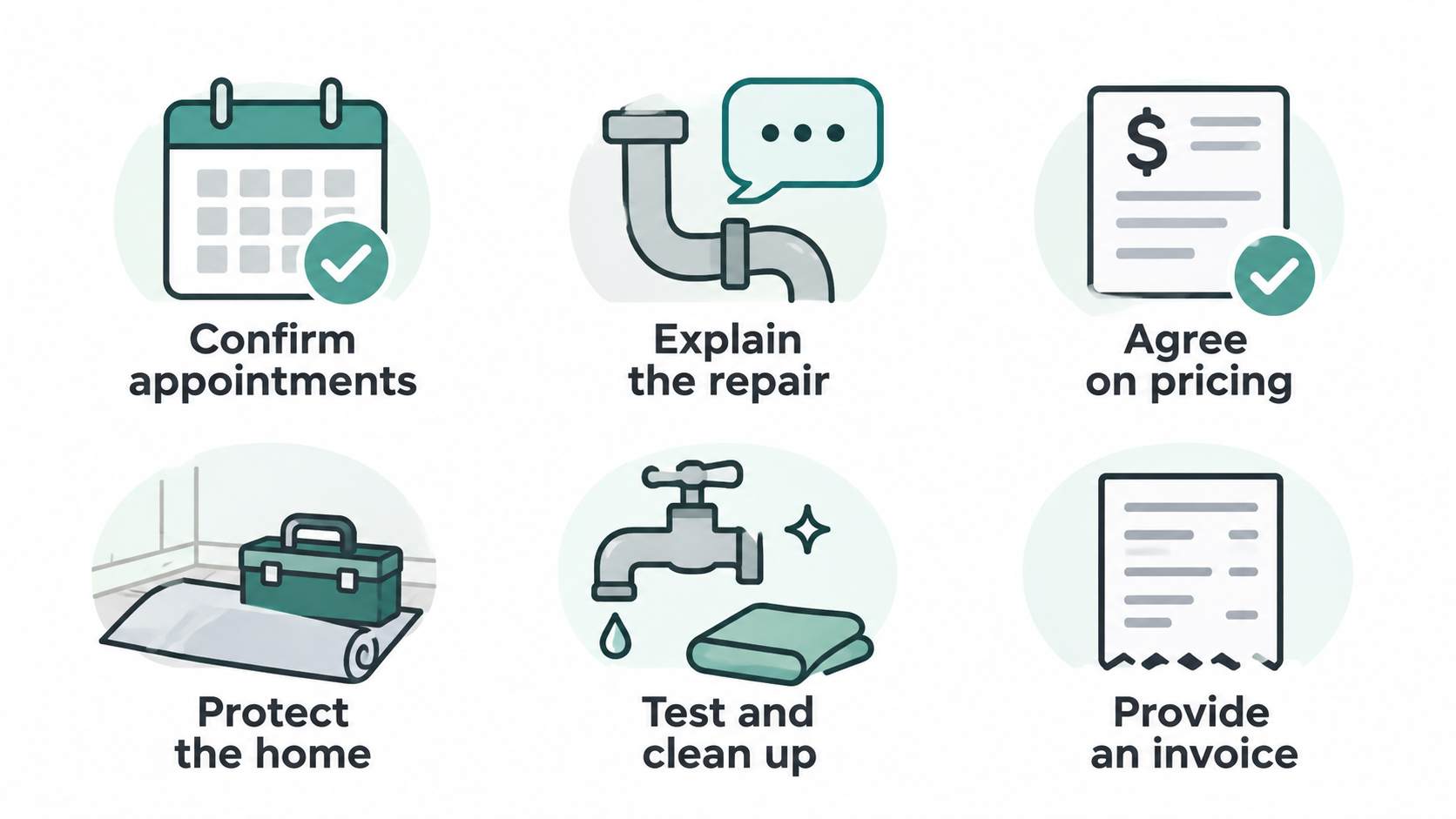
- Confirm appointments and notify customers of delays.
- Explain the problem before beginning the repair.
- Discuss the price and obtain approval for additional work.
- Protect floors and surrounding furniture during repairs.
- Test the completed installation and clean the work area.
- Provide an invoice describing the work and materials used.
Pay attention to how employees speak to customers. A technician who explains why a pipe needs replacing is more reassuring than one who simply announces an expensive repair.
When something goes wrong, take responsibility for fixing it. A company that responds promptly to a complaint has a much better chance of retaining the customer than one that avoids their calls.
Use Quality Equipment and Materials on Every Job
Advertising can bring you a new customer, but the quality of your work determines if they recommend your company afterward.
Plumbing repairs need dependable materials. A cheap replacement valve that fails after a few months can lead to another service call, an unhappy customer, and potentially expensive water damage.
Choose fittings, seals, valves, and fixtures that meet the applicable plumbing codes and installation requirements. Recommend products made by established manufacturers with reliable replacement parts and suitable warranties.
For example, Delta Plumbing Products are worth considering when recommending kitchen and bathroom faucets to customers. A properly selected faucet gives homeowners a recognizable brand, a choice of designs, and access to model-specific replacement parts. Match the fixture to the existing plumbing connections and explain the available options before installation.
Invest in reliable diagnostic equipment as well. A moisture meter, drain inspection camera, pressure testing equipment, and quality hand tools help technicians identify problems without unnecessary demolition or repeated visits.
Keep common replacement parts and suitable tools in each service vehicle. A plumber who arrives prepared can complete more repairs during the first visit, saving time for both the company and the customer.
When preparing a quote, explain the differences between available products, including durability, warranty coverage, and future maintenance costs. Customers should know what they’re paying for and why you’re recommending a particular fixture.
Make Your Plumbing Company Easy to Find on Google
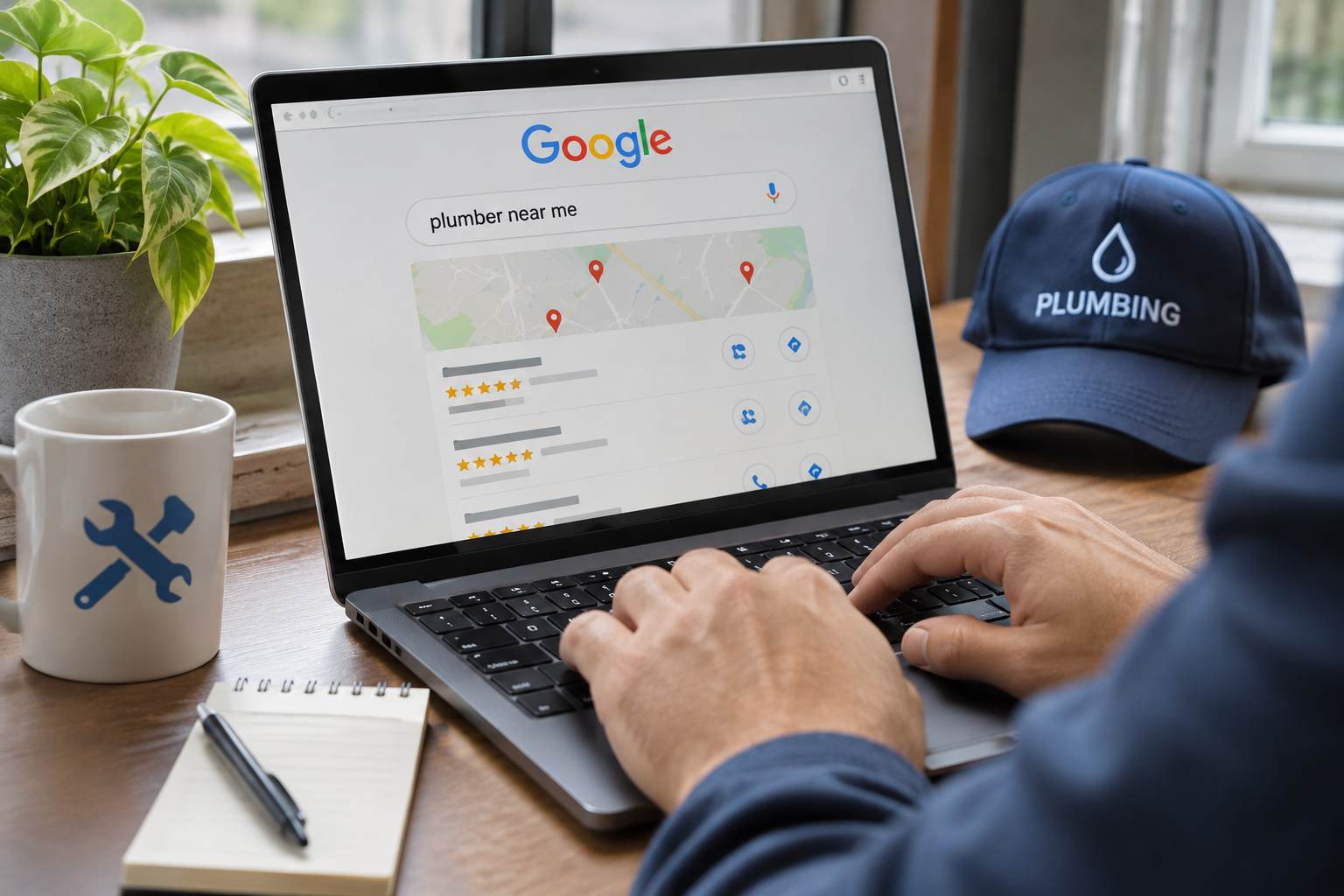
Many plumbing searches begin with a location and a problem. Someone might search for an emergency plumber in their town, water heater repair nearby, or a company that clears blocked drains.
Your Google Business Profile should make it clear which services you provide and where you work.
Claim and verify your profile, add your phone number and website, and select the appropriate business type. Include accurate operating hours and the cities or neighborhoods your technicians serve.
According to Google’s explanation of local search rankings, local results depend primarily on relevance, distance, and prominence. Complete business information, reviews, and links to your company can contribute to visibility.
Upload real photographs of your vehicles, technicians, equipment, and completed installations. A picture of an actual water heater replacement tells a potential customer more about your work than a generic stock photograph of someone holding a wrench.
Keep your profile updated whenever your hours or contact information change. If you advertise emergency service, make sure someone can actually answer those calls.
Build a Website That Helps Customers Book a Plumber
A plumbing website doesn’t need complicated animations or dozens of pages. Visitors want to know if you handle their problem, serve their location, and have availability.
Put your phone number near the top of the website and make it clickable on mobile devices.
Create separate pages for your main services, such as drain cleaning, leak detection, water heater installation, and toilet repair. Explain what each service includes and when a homeowner should call a professional.
A page about water heater replacement, for example, could explain the signs of a failing unit, the information needed for an estimate, and the types your company installs.
Include photographs of actual jobs when customers have given permission. State your service area clearly, and display licensing and insurance information where appropriate.
Location pages are useful when you genuinely work in those communities. Avoid publishing dozens of nearly identical pages with only the city name changed.
Finally, test the website on your phone. If a visitor has to pinch the screen to read your number or complete a long form to request help, you are making it harder for them to hire you.
Ask Satisfied Customers for Google Reviews

Reviews are one of the most visible signs of a local business reputation. A customer comparing two plumbing companies will likely read what previous customers say about punctuality, pricing, and workmanship.
Ask for a review after the repair is complete and the customer has had a chance to see that everything works.
Google allows businesses to create a direct review link or QR code. Add the link to your invoice email or send it with a short thank-you message.
Keep the request simple. Thank the customer for hiring your company and invite them to share their experience.
Avoid offering discounts or gifts in return for positive reviews. Google prohibits incentives tied to reviews and also prohibits selectively requesting feedback only from customers expected to leave favorable ratings.
Reply to reviews in a professional manner. If someone complains about a missed appointment, acknowledge the problem and explain how they can contact you. Never publish private details about the customer or the work performed at their home.
Make Your Name Visible Around the Neighborhood
People need to remember the company name when they see your van again or hear a neighbor mention a plumbing problem.
Start with your service vehicles. Use a clear company name, recognizable logo, phone number, and website address. Keep the lettering large enough to read without standing beside the van.
Use the same colors, logo, and business name on uniforms, invoices, estimates, and your website. Constantly changing your branding makes recognition harder.
Consider sponsoring a youth sports team, contributing to a local community event, or supporting a neighborhood charity. Select activities your business can genuinely support rather than treating every event as an opportunity to distribute advertisements.
Relationships with local property managers, real estate agents, and remodeling contractors can also lead to repeat work.
For example, a property manager responsible for several rental units needs a plumber who answers quickly, documents repairs, and provides invoices promptly. Delivering consistent service on smaller repairs can help establish that relationship.
Show Real Plumbing Work on Social Media
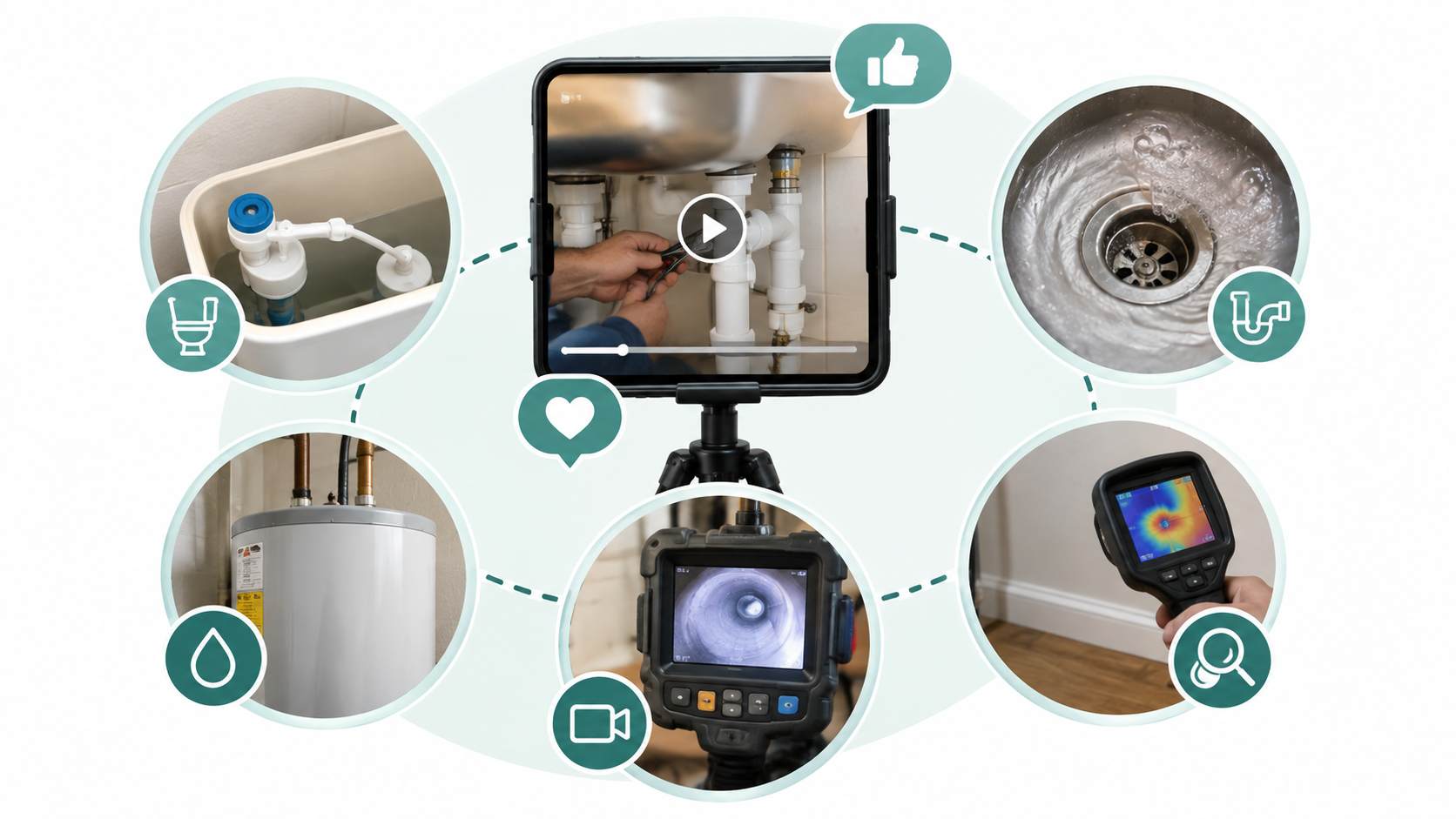
Social media offers a chance to show potential customers what your technicians actually do.
A short video explaining why a water heater is leaking can be more useful than another photograph announcing that your company provides quality service.
Record simple clips during real jobs, with permission when filming inside a customer’s property.
Knowing how to upload Instagram Reels from a computer can simplify publishing videos edited at the office.
- How to recognize a leaking toilet fill valve.
- Signs that a water heater needs professional attention.
- What causes repeated kitchen drain blockages.
- How technicians locate a hidden water leak.
- What happens during a drain camera inspection.
Explain the problem in everyday language and show the equipment used to diagnose it. Avoid suggesting unsafe repairs involving gas, pressurized systems, or electrical connections.
Post consistently enough that your social media pages represent an active business. A few useful videos each month are more valuable than posting daily advertisements that tell customers nothing.
Turn One-Time Repairs Into Long-Term Customers
A customer who hires you for a leaking faucet may later need a water heater replaced or a bathroom remodeled.
Keep a record of completed work, installed equipment, and any applicable warranty information. If the customer calls again, your technician should be able to see what was repaired previously.
For major installations, send a follow-up message to confirm that the system is working properly. If a manufacturer recommends periodic maintenance, explain the schedule when the installation is completed.
Customers should also receive clear instructions about whom to contact if a problem returns.
A simple reminder about scheduled water heater maintenance or an upcoming inspection can generate repeat business without sending constant promotional messages.
Ask permission before adding customers to marketing email or text lists, and follow the applicable communication rules.
Track Which Marketing Activities Bring Paying Customers
A busy phone doesn’t necessarily mean your marketing is profitable. You need to know which calls become completed jobs and how much those jobs earn.
Start by recording the source of every new inquiry. Ask callers how they found your business and enter the answer into your booking system.
| Marketing Channel | What to Track |
| Google Business Profile | Calls, bookings, and completed jobs |
| Google Ads | Advertising cost and revenue generated |
| Customer referrals | New customers referred by previous clients |
| Website | Form submissions and confirmed appointments |
| Local partnerships | Repeat jobs and revenue per partner |
Suppose you spend $600 on advertising and receive 20 inquiries. Eight become paying customers, giving you an advertising acquisition cost of $75 per new customer. You can then compare that expense with the gross profit those jobs produce.
Having a reliable business expense tracking system makes it easier to compare marketing costs against actual earnings.
If you decide to try Google Local Services Ads, check the screening and verification requirements. Plumbing advertisers may need licensing, insurance, and background checks depending on their location.
Compare results monthly. A channel that produces many inquiries but few profitable jobs may need a different message, a smaller budget, or tighter geographic targeting.

Grow at a Pace Your Technicians Can Handle
As more people recognize your company, the number of calls may increase faster than your team can handle.
Before expanding advertising, review how many appointments your technicians can complete each week. Leave enough room in the schedule for urgent repairs, travel between jobs, and unexpected complications.
Hiring another plumber only makes financial sense when the additional work can support wages, vehicle expenses, insurance, equipment, and other operating costs.
Keep an eye on repeat repairs and customer complaints as the business grows. If those numbers rise alongside your sales, investigate the cause before taking on more work.
A local plumbing company earns recognition one completed job at a time. Customers remember the technician who arrived as promised, explained the repair, used dependable materials, and left their home in proper working order. Give them that experience consistently, and your company’s name has a reason to travel around the neighborhood.