
Accurate attendance tracking plays a major role in payroll, scheduling, productivity, compliance, and employee accountability.
For many businesses, even small time tracking mistakes can lead to payroll errors, staffing gaps, overtime costs, and employee frustration.
Time tracking should do more than record clock-ins and clock-outs.
A good attendance process also helps managers fix missed punches, handle shift swaps, monitor labor rules, track absences, and reduce extra admin work.
Better systems and clearer processes can help businesses prevent these problems before they affect daily operations.
Better Shift Management

Electronic schedules help employees access real-time updates and plan around work.
When schedules are available on a mobile app or online system, employees are less likely to miss changes or rely on outdated information.
Better shift planning should account for employee availability, workload demand, leave data, and overtime limits.
Leave management software can help managers see approved time off before schedules are published, reducing the risk of assigning employees to shifts they cannot work.
Planning with these details can reduce understaffing, prevent unnecessary overtime, and improve coverage.
Useful scheduling data can include:
- Expected customer demand
- Approved time off
- Employee availability
- Required roles for each shift
- Labor budget limits
- Overtime status
Automated shift assignment can reduce overlaps, double bookings, understaffing, and overstaffing. Automated tools can also help managers create schedules faster and reduce errors linked to manual entry.
Real-time attendance visibility helps managers see who is present, absent, late, or missing a punch. With that visibility, managers can adjust coverage sooner and solve staffing problems before they disrupt operations.
Fast visibility matters most during high-pressure moments, such as:
- Opening shifts
- Peak business hours
- Shift handoffs
- Holiday staffing periods
- Last-minute call-outs
Common Shift and Time Issues

Late arrivals, early departures, and missed clock-ins or clock-outs are among the most common attendance problems.
Small delays can disrupt coverage, slow down operations, and create extra work for managers who need to correct time records.
Common correction work often includes:
- Finding the correct start or end time
- Asking employees or supervisors to confirm hours
- Updating payroll records before pay processing
- Checking repeated missed punches for patterns
Absenteeism, call-outs, and no-shows can leave shifts understaffed.
When too few employees are available, other team members may need to cover extra work, which can lead to stress, burnout, and lower productivity.
Last-minute shift coverage problems can also increase overtime.
Managers may need to ask employees to stay longer, call in workers on short notice, or operate with fewer people than needed.
Inaccurate time tracking creates another major problem.
Forgotten punches, buddy punching, and time theft can make payroll less accurate and create fairness issues across a team.
Several time tracking problems can directly affect labor costs:
- Paid time that was not actually worked
- Missed breaks that create compliance risks
- Rounded or estimated hours that do not match actual shifts
- Manual edits that are hard to verify later
Scheduling mistakes often happen in rotational shifts. Employees may get overlapping shifts, double assignments, or schedules that leave some shifts understaffed and others overstaffed.
Unapproved or hidden overtime can also grow when shift planning is weak.
Without clear visibility into schedules and worked hours, managers may not see overtime risks until payroll is already due.
Why Do These Problems Happen
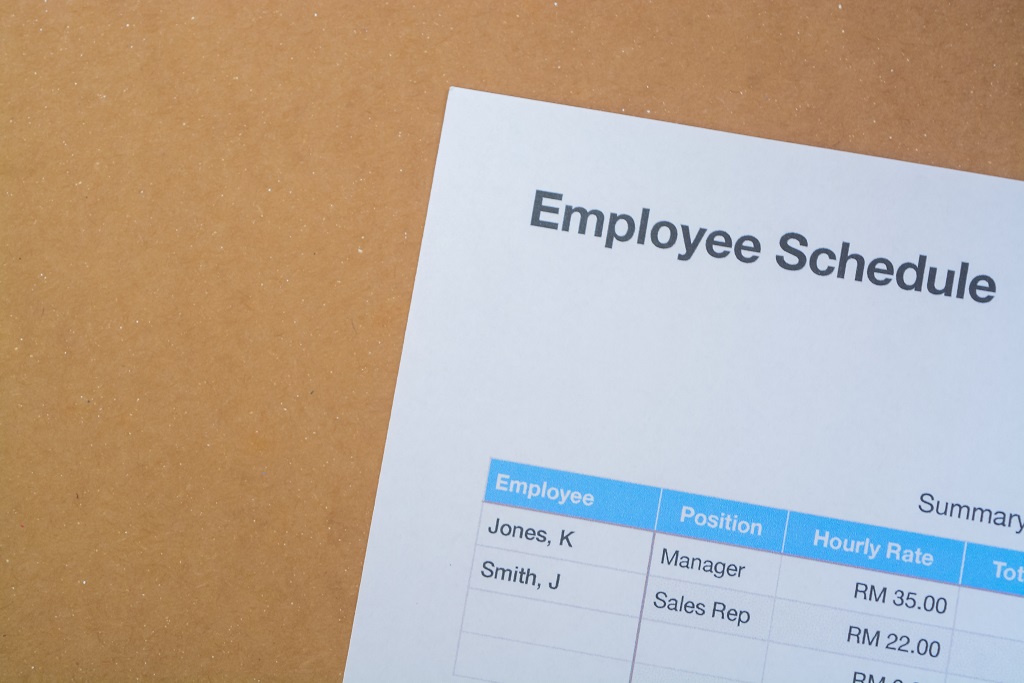
Employees do not always have easy access to updated schedules.
Paper schedules, outdated message threads, or old shared files can cause confusion when shift changes happen.
Schedule confusion often gets worse when updates are shared through too many channels, such as:
- Printed notices in break rooms
- Group texts
- Email threads
- Verbal updates during busy shifts
- Spreadsheets that are not updated in real time
Managers may rely too much on manual scheduling or spreadsheets.
Manual tools depend heavily on human input and often cannot automatically detect conflicts, double bookings, overtime risks, or approved time off conflicts.
Employee availability can change often because of school, childcare, workload, second jobs, or personal responsibilities.
When availability is not updated in one clear place, managers may schedule employees at times they cannot work.
Scheduling systems may not connect with attendance, leave, or payroll data.
As a result, payroll errors can happen, approved time off may be missed, and employees may be assigned to shifts they cannot work.
Unequal shift distribution can also happen when managers assign shifts manually.
Some employees may get too many night shifts, weekend shifts, or difficult rotations, which can hurt morale and create fairness concerns.
Fairness problems can appear in several ways:
- Same employees get the least preferred shifts too often
- Weekend work is not rotated evenly
- High-demand shifts go to only a small group
- New employees get schedules without enough training support
Simple Ways to Fix Attendance Problems
Attendance problems are easier to manage when rules, tools, and communication all support the same goal.
Managers need accurate time records, employees need clear expectations, and both sides need a simple process for handling missed punches, absences, shift changes, and overtime risks.
Create a Clear Attendance and Call-Out Policy

A clear attendance and call-out policy gives employees simple rules to follow when they are late, absent, or unable to work.
Clear policies should explain how to report an absence, who to contact, how much notice is needed, and what happens when attendance rules are not followed.
A useful policy should also answer practical questions, including:
- How late arrivals are recorded
- When a missed punch must be corrected
- Which absences need documentation
- How repeated attendance issues are handled
- Who approves schedule changes
Use Digital Time Tracking
Digital time tracking can reduce problems linked to paper timesheets.
With digital tools, managers can limit missed punches, reduce manual corrections, and improve payroll accuracy.
Mobile, geofenced, or biometric clock-in tools can help reduce forgotten punches, buddy punching, and time theft.
These tools help confirm that employees clock in at the right place and at the right time.
Set Alerts for Attendance Issues
Alerts can help managers act sooner.
Missed punch alerts, lateness alerts, scheduling conflict alerts, and overtime limit alerts can prevent small issues turning into bigger payroll or staffing problems.
Make Shift Changes Easier for Employees
Employees also need easier ways to swap shifts, claim open shifts, and report absences.
When employees can handle these requests through a clear system, managers spend less time sorting out messages and last-minute changes.
Review Attendance Reports Regularly
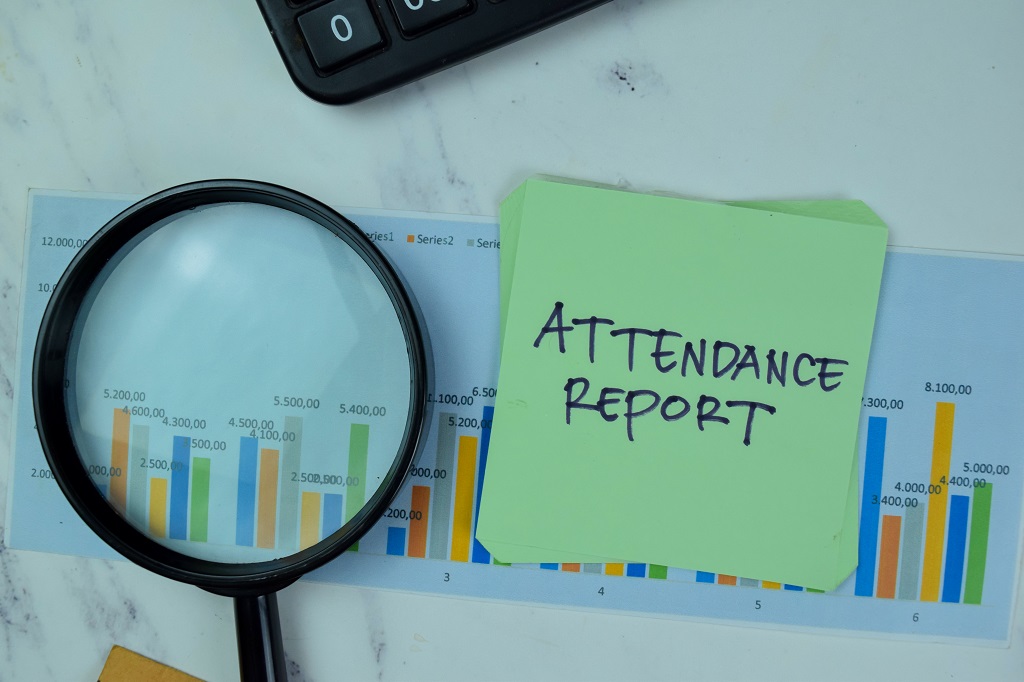
Attendance reports can help managers spot patterns.
Reports can show absence trends, peak absence times, overtime patterns, late arrivals, missed punches, and shifts that often have coverage issues.
Managers can use reports to decide when to adjust staffing, add backup coverage, review attendance behavior, or change shift rules.
Summary
Better attendance tracking helps businesses reduce payroll errors, prevent understaffing, control overtime, and improve fairness for employees.
Clear processes also give managers more control over daily schedules and reduce avoidable admin work.
Businesses should stop reacting to attendance problems only after they happen.
Smarter workforce planning helps prevent missed punches, coverage gaps, payroll mistakes, and unfair scheduling before they affect employees and operations.