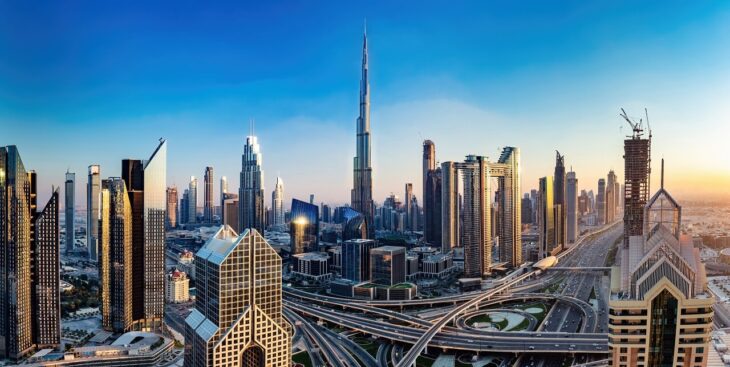
Dubai has become one of the world’s leading destinations for business, trade, and investment. Located at a major crossroads connecting Asia, Europe, Africa, the Middle East, and South Asia, it gives companies access to some of the fastest-growing markets in the world.
Over recent decades, Dubai has developed into a major center for international trade, finance, technology, logistics, tourism, real estate, and professional services.
Key reasons behind Dubai’s success include its prime location, business-friendly policies, advanced infrastructure, favorable tax system, skilled workforce, and strong growth opportunities.
Investors and companies see Dubai as a serious long-term business platform, not only as a place to reduce taxes.
Prime Location and Global Connectivity
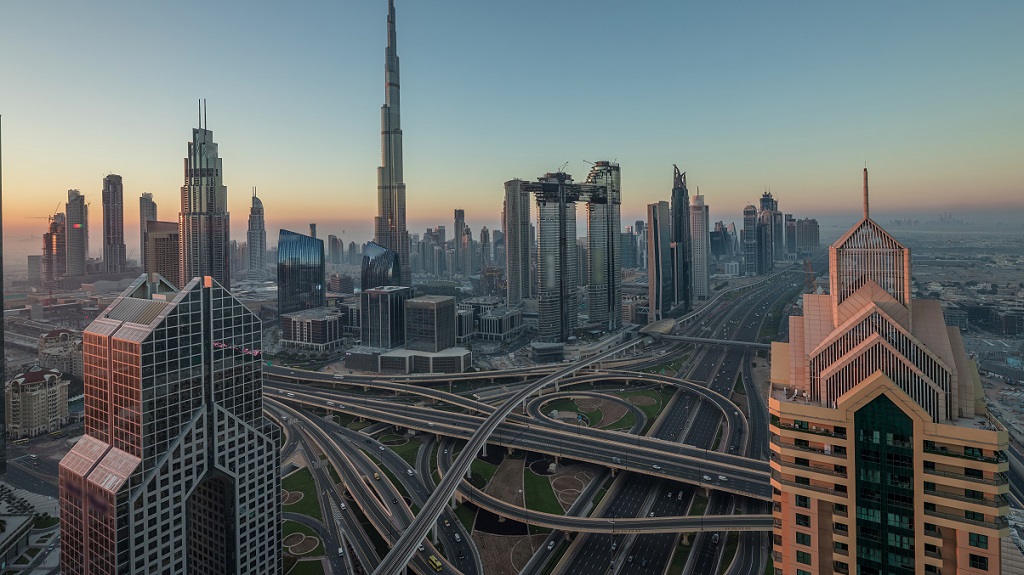
Dubai’s location gives businesses access to major markets across Asia, Europe, Africa, the Middle East, and South Asia.
Companies involved in trade, distribution, logistics, consulting, finance, or regional management can use Dubai to reach a large customer base across many nearby economies.
The same companies in Dubai as a regional base may also need reliable ground transport across the UAE for meetings, site visits, and client travel, including options connected to rent a car Abu Dhabi services.
Several transport assets make Dubai especially useful for companies managing international activity:
- Dubai International Airport gives executives, employees, clients, and partners access to direct flights linked with almost every major city.
- Major seaports support cargo movement, re-export activity, warehousing, and regional distribution.
- Highways and logistics systems help companies move goods, people, and services quickly across domestic and regional routes.
Seaports and logistics hubs strengthen Dubai’s role in global trade.
Businesses can use Dubai for warehousing, re-export, regional distribution, e-commerce fulfillment, and supply chain coordination.
Strong connectivity helps companies reduce delays, manage regional operations more efficiently, and reach international markets faster.
Business-Friendly Environment
Dubai offers a supportive environment for company formation and business growth.
Setup procedures are generally clear, and investors can choose among different business structures based on their goals.
Different company structures fit different commercial needs:
- Mainland entities can work well for businesses that need access to the local UAE market, fewer activity limits, or eligibility for government contracts.
- Free zone companies can work well for foreign investors seeking 100% foreign ownership, simplified setup, and sector-focused business communities.
- Offshore companies can help with certain international structuring and asset-holding needs.
Free zones play an important role in attracting global companies.
Many free zones are designed around specific industries such as technology, finance, media, healthcare, logistics, manufacturing, and professional services.
Business owners benefit because they can operate close to companies, suppliers, regulators, and service providers in their sector.
Dubai’s regulatory system is often viewed as efficient compared with many other international business centers.
Reduced bureaucracy, clearer procedures, and digital government services help companies save time during setup, licensing, visa processing, and ongoing administration.
Tax and Financial Benefits
Dubai offers an attractive tax environment compared with many major global business centers.
A 0% personal income tax allows employees, entrepreneurs, and investors to retain more personal earnings.
Corporate tax rates are competitive, and many business structures may also benefit in areas such as capital gains and withholding taxes, depending on activity, structure, and applicable rules.
Businesses also benefit through access to internationally connected banking systems.
Dubai has a strong financial sector with banks, payment providers, investment firms, wealth managers, and regional treasury services.
Companies managing international transactions can use Dubai for cash management, holding structures, investment planning, and regional financial coordination.
Double taxation treaty networks can also support international business planning. Such treaties may help companies avoid being taxed twice on the same income, depending on the countries involved and company structure.
Compliance is still essential. Proper documentation, substance rules, accounting, licensing, and activity alignment are important for protecting tax benefits.
Companies that focus only on tax savings while ignoring operational costs or legal requirements may lose many expected advantages.
Infrastructure and Innovation
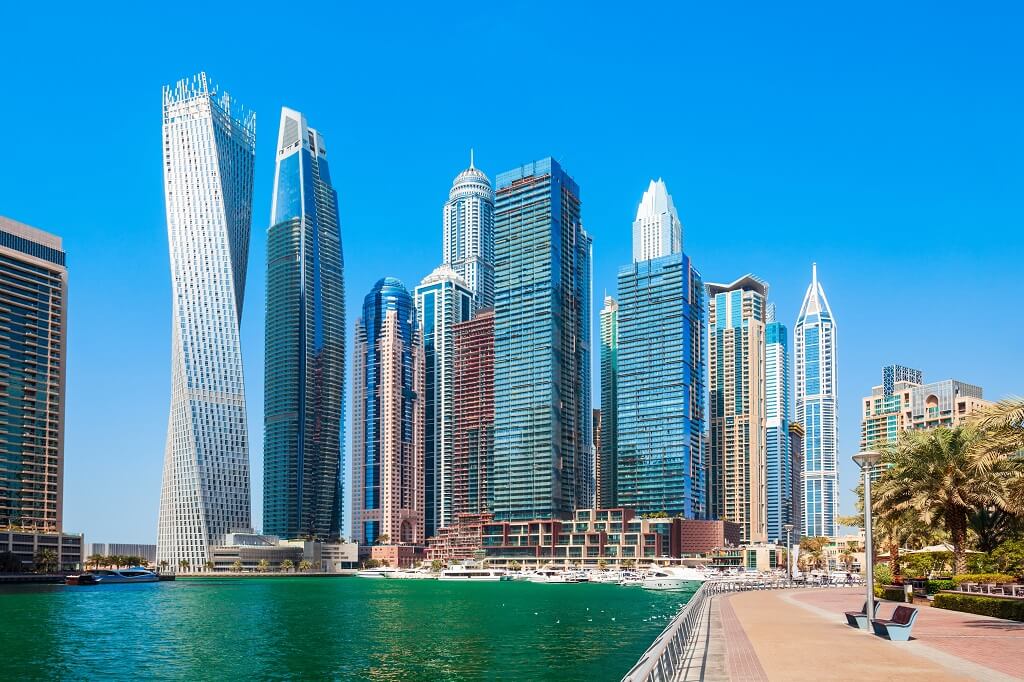
Dubai has modern infrastructure that supports companies in many sectors.
Transport systems, telecommunications, logistics networks, commercial districts, digital services, financial centers, and office facilities allow businesses to operate at a high international standard.
Industry-specific business districts and free zones support companies in technology, finance, healthcare, media, logistics, manufacturing, and trade.
Such ecosystems help businesses connect with talent, investors, suppliers, regulators, and clients more efficiently.
Several growth areas show how Dubai is building its future economy:
- AI adoption supports automation, data analysis, and smarter business operations.
- Blockchain projects support digital transactions, verification systems, and financial technology.
- Fintech growth creates opportunities for payment platforms, digital banking, insurance technology, and investment tools.
- Smart city programs improve digital infrastructure, public services, mobility, and urban planning.
- Clean energy investment supports sustainability goals and new commercial opportunities.
Dubai Silicon Oasis is a technology-focused free zone that connects investors, companies, and technology startups.
It supports companies working in software, hardware, digital services, research, and startup development.
DIFC is a major financial center for fintech startups, banks, investment firms, insurance companies, and financial service providers.
Its legal and regulatory framework makes it attractive for companies operating in regional and international finance.
Investor Confidence and Stability
Dubai gives investors a stable and secure place to do business.
Political stability, strong governance, strict laws, and a reliable legal environment help protect capital and support long-term planning.
Business owners, executives, employees, and families often view Dubai as a safe place to live and work.
Such stability is important for companies planning regional headquarters, long-term investments, or expansion into nearby markets.
Clear commercial procedures and streamlined administration also attract international investors.
Licensing, visas, banking, office setup, and regulatory approvals are generally more predictable than in many other markets.
Predictability allows companies to plan budgets, timelines, staffing, and expansion with greater confidence.
Challenges to Consider

Dubai offers many business advantages, but companies must also consider setup costs, licensing fees, visa costs, office requirements, banking procedures, and ongoing compliance duties.
Costs can vary depending on activity, license type, office needs, staff size, and chosen jurisdiction.
Cost planning should include several common business requirements:
- Trade license fees can vary by activity and jurisdiction.
- Visa costs can increase as a company hires more employees.
- Office requirements can affect total setup and renewal expenses.
- Banking procedures may require detailed documentation and proof of business activity.
- Ongoing compliance can include accounting, renewals, regulatory filings, and tax documentation.
Choosing the right structure is critical. Mainland companies may fit businesses that need local UAE market access or government contracts.
Free zone companies may fit international trade, consulting, technology, media, logistics, or service businesses that want foreign ownership and sector-specific support.
Dubai can support strong business strategies, but it cannot repair a weak product, poor market fit, bad management, or unrealistic financial planning.
Investors and founders should treat Dubai as a serious operating base that requires planning, capital, compliance, and execution.
Summary
Dubai is a powerful global business hub because it combines prime location, modern infrastructure, tax advantages, political stability, skilled talent, innovation, and access to international markets.
For investors, Dubai offers safety, connectivity, favorable tax conditions, and access to many fast-growing sectors.
For companies, it provides setup options, free zones, mainland access, global transport links, and a strong commercial ecosystem.
Best results come when Dubai is treated as a long-term business platform.