
Financial protection helps families absorb job loss, medical bills, disability, property damage, and other costly emergencies. Legal protection determines who can manage money, make healthcare decisions, receive assets, and act during incapacity or after death.
Public safety-net programs can reduce hardship, but household security should not depend entirely on government assistance.
Eligibility rules, funding levels, and administrative requirements can change.
Financial resources provide little protection when nobody has legal authority to access or manage them.
Legal documents also have limited value when a household lacks money to cover urgent expenses.
Why Government Safety-Net Programs Are Not Enough
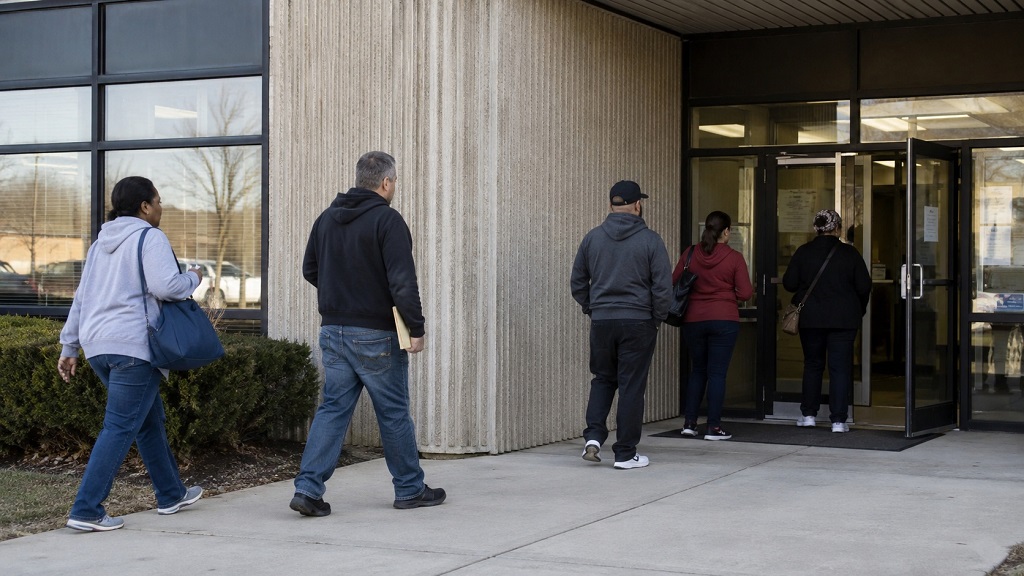
Medicaid, Medicare, Social Security, SNAP, and unemployment assistance support millions of Americans.
Heavy participation shows how important these programs are to household stability.
Several figures show the scale of that dependence:
- 69.8 million people received Social Security benefits in 2020.
- Nearly 9 in 10 Americans age 65 or older received Social Security benefits as of December 2020.
- More than 76 million people were enrolled in Medicaid in June 2021.
High enrollment does not guarantee permanent access under the same rules. Public programs depend on legislation, budgets, eligibility standards, and administrative systems.
Fiscal pressure can also lead to policy changes. Medicare spending was projected to rise near $700 billion in 2022 to about $1.6 trillion annually by 2032.
Federal policy changes in 2025 reduced Medicaid, SNAP, and other assistance for lower-income households while adding eligibility requirements and shifting more costs to states and beneficiaries.
Households can face several consequences when public support changes:
- Stricter eligibility standards can reduce access.
- Added documentation can delay or interrupt benefits.
- Lower federal funding can push states to reduce services or increase their own spending.
- Higher beneficiary costs can place more pressure on household budgets.
Personal savings, insurance, and legal planning can reduce dependence on policy decisions that families cannot control.
Wills, Powers of Attorney, and Estate Planning

Legal planning determines who can act when an individual cannot manage personal, financial, or medical matters.
A ConsultantLM legal expert can help identify which documents may be appropriate for a person’s circumstances before those protections are needed.
A will can direct property distribution after death and address guardianship preferences for minor children. Without clear instructions, state law may determine how certain property is distributed.
Several additional documents can protect decision-making authority:
- A durable financial power of attorney can authorize a trusted person to pay bills, manage accounts, handle property, file taxes, or complete other approved financial tasks during incapacity.
- A healthcare power of attorney can name someone to make medical decisions when the patient cannot do so.
- An advance directive can record preferences for medical treatment and end-of-life care.
- A trust can create rules for asset management, inheritance, incapacity planning, or younger beneficiaries.
Beneficiary designations require separate attention.
Retirement accounts, life insurance policies, payable-on-death accounts, and similar assets may transfer according to beneficiary forms rather than instructions in a will.
Marriage, divorce, births, deaths, and changes in family relationships can make beneficiary updates necessary.
Account owners should review names, percentages, and contingent beneficiaries periodically.
Emergency Funds, Insurance, and Financial Protection

Emergency savings provide immediate cash for job loss, medical expenses, urgent repairs, and temporary income disruption.
Accessible funds can help a household avoid high-interest debt or missed payments during a short-term crisis.
Insurance protects against losses that ordinary savings may not cover. Coverage needs vary by household, but several categories can address major financial risks:
- Health insurance can limit exposure to large medical bills.
- Life insurance can provide income support after a policyholder dies.
- Disability insurance can replace part of lost earnings after illness or injury.
- Homeowners or renters insurance can protect property and belongings.
- Auto insurance can cover losses and liability tied to vehicle accidents.
Periodic coverage reviews are useful after marriage, divorce, childbirth, a home purchase, a job change, or retirement.
Cash protection also matters. Federal deposit insurance was introduced in 1933 and helped reduce bank runs and liquidity panics while increasing confidence in the banking system.
Guarantees, however, can encourage excessive risk when people expect another party to absorb losses. That problem is commonly called moral hazard.
Households should treat outside protections as support rather than a substitute for responsible money management. Panama offers a useful banking comparison because it has neither deposit insurance nor a lender of last resort.
Banks there have relied more heavily on capital and liquidity buffers as self-insurance.
A similar household approach includes accessible savings, manageable debt, adequate insurance, and retirement assets that can absorb financial shocks.
How Financial Planning and Legal Planning Work Together

Financial planning creates resources for a crisis. Legal planning establishes authority over those resources.
Life insurance shows how both protections connect. Policy proceeds can help pay housing costs, childcare, education expenses, debt, and everyday bills after a parent dies.
Beneficiary designations determine who receives that money, while a will can address other property and guardianship matters.
Emergency savings present another example. An account may hold enough cash for several months of expenses, but family members may lack authority to use it if the owner becomes incapacitated.
A durable financial power of attorney can give a trusted person legal authority to manage those obligations.
Household protection works best when each layer has a clear purpose:
- Cash reserves provide liquidity.
- Insurance transfers major financial risks.
- Retirement savings support long-term income needs.
- Legal documents assign authority and instructions.
- Beneficiary designations direct certain asset transfers.
Timing also matters. Incapacity can prevent someone from signing a valid power of attorney. Beneficiary errors discovered after death may be difficult or impossible to correct. Serious health problems can also make new insurance more expensive or unavailable.
Planning early preserves more options.
Why Personal Financial and Legal Protection Matters Now
Public benefits can change through legislation, funding decisions, eligibility standards, and administrative requirements.
Families with heavy dependence on government assistance can therefore face sudden financial pressure.
Recent federal reductions affecting Medicaid, SNAP, and other low-income programs show how quickly support can change.
Poorer states that rely heavily on federal funding may have less capacity to replace lost money with state revenue.
State governments facing lower federal support may need to choose among several responses:
- Increase state spending.
- Tighten eligibility.
- Reduce covered services.
- Lower benefit levels.
- Redirect money allocated to other programs.
Administrative requirements can create additional barriers. Work rules, reporting obligations, renewal procedures, income verification, and stricter documentation can delay or interrupt assistance even for people who qualify.
Personal preparation can reduce the impact of those disruptions. Emergency savings can cover short-term expenses, insurance can absorb major losses, and retirement assets can supplement public benefits.
Legal preparation protects control at the same time.
Powers of attorney establish financial authority, healthcare directives record medical preferences, and estate-planning documents direct property and beneficiary decisions.
Summary
Government programs are an essential part of financial security for millions of Americans, but households also need protections they can control directly.
Savings without legal authority can become difficult to manage during incapacity. Legal documents without financial resources cannot pay bills or replace income.
Insurance with outdated beneficiary information can also create avoidable complications.
Financial protection helps a household absorb a crisis. Legal protection determines how money, decisions, property, and family interests are handled when that crisis occurs.