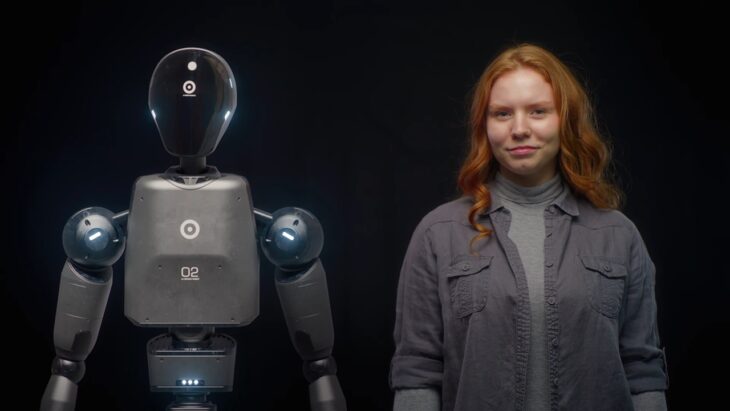
Artificial intelligence is reshaping the global workforce at a rapid pace. Automated systems now handle data processing, scheduling, pattern recognition, and other repetitive tasks that once required human labor.
Headlines often focus on job loss and disruption, creating anxiety about long term employment security.
Yet automation does not erase every profession. Many roles remain rooted in human judgment, empathy, accountability, and physical presence.
Focus here is on six professions that are unlikely to be replaced by AI by 2026 or any time soon. Technology may change how these professionals work.
Certain tasks may become faster or more efficient through automation.
Core responsibilities, however, still depend on human insight, ethical reasoning, interpersonal trust, and hands on adaptability.
Job #1 – Healthcare Practitioners

Healthcare practitioners such as doctors, nurses, and medical specialists rely on complex judgment and human empathy. Clinical work involves diagnosing illness, guiding treatment decisions, and supporting patients during vulnerable moments.
Pattern recognition plays a role in medicine, yet patient care requires far more than identifying data trends.
Emotional intelligence, ethical reasoning, and clear communication shape outcomes every day in hospitals and clinics.
Several factors explain why full automation in healthcare remains unlikely in the near future:
- Physicians carry legal responsibility for diagnoses and treatment decisions
- Nurses provide bedside care that depends on observation, reassurance, and rapid response
- Specialists interpret symptoms within broader medical histories and social contexts
Radiology provides a strong case study of augmentation rather than replacement.
AI systems analyze medical images, detect anomalies, and prioritize urgent scans for review. Productivity increases as software processes thousands of images quickly.
Diagnostic authority still rests with licensed radiologists who interpret findings in context and communicate results to patients and other physicians.
Projections indicate employment in radiology could grow by about 5% through 2034, outpacing many occupations.
Growth projections suggest continued demand despite automation:
- Radiology employment projected to rise about 5 percent through 2034
- Demand for imaging services increasing as populations age
- AI primarily assisting with triage and data organization rather than issuing final diagnoses
AI excels at sorting large data sets and identifying patterns across scans, lab results, and electronic health records.
Physicians remain responsible for final diagnoses, treatment planning, informed consent, and long term care coordination. Trust between patient and provider cannot be delegated to software.
Accountability in medicine requires a human professional who can weigh risks, explain uncertainty, and respond to complications in real time.
Job #2 – Educators and Teachers

Educators shape critical thinking, communication skills, and intellectual growth across every stage of life. Teaching involves mentorship, emotional awareness, and constant adaptation to student needs.
AI tools generate lesson plans, suggest exercises, and analyze performance data within seconds.
Classroom leadership and inspiration still depend on human presence and authority.
Modern education requires more than content delivery. Teachers cultivate reasoning skills that prepare students for careers in an AI-influenced economy.
Key responsibilities that resist automation include:
- Providing real-time feedback tailored to individual learning styles
- Managing classroom behavior and resolving interpersonal conflict
- Encouraging motivation and resilience during academic setbacks
Lifelong learning has become essential as technology reshapes job requirements.
Teachers help students build problem-solving abilities that extend into adulthood. Software can simulate tutoring sessions and answer factual questions.
Many educators also pursue a master’s teaching degree to deepen their pedagogical skills, prepare for leadership roles, or gain advanced expertise in curriculum and instruction.
Genuine mentorship requires patience, tone awareness, and emotional sensitivity that algorithms cannot replicate consistently.
Personalized learning platforms assist with pacing and assessment. Human educators interpret body language, adjust instruction mid-lesson, and recognize when a student struggles silently.
Moral guidance and character development remain firmly in human hands.
Job #3 – Skilled Trades and Hands On Technical Work
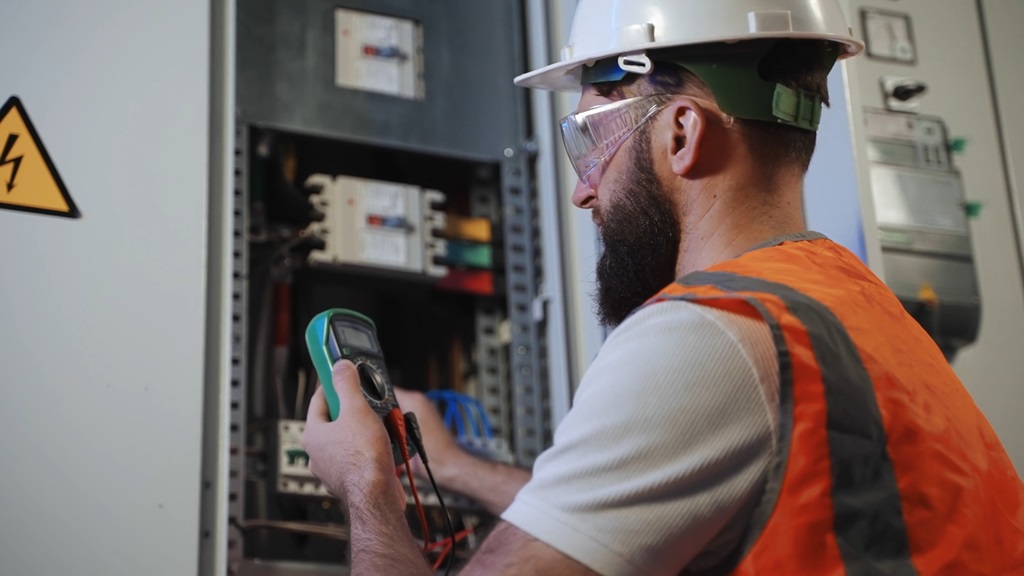
Skilled trades such as electricians, plumbers, and maintenance specialists operate in unpredictable physical environments.
Daily tasks require manual dexterity, spatial reasoning, and strict safety awareness.
Robotics capable of navigating crawl spaces, unstable structures, or aging infrastructure remain technically limited and expensive.
Automation faces significant barriers in manual trades due to environmental variability. Challenges include:
- Confined spaces that require flexible movement and tactile feedback
- Aging infrastructure with inconsistent layouts and undocumented modifications
- Safety hazards that demand split second judgment
Diagnostic software may help identify wiring issues, pipe leaks, or structural weaknesses. Planning tools assist with scheduling and inventory management.
Execution of repairs in hazardous or irregular settings depends on human adaptability and physical presence. Each job site introduces new variables that resist standardized automation.
Labor market analysis shows continued resilience in manual trades.
Demand for infrastructure repair, construction, and building maintenance sustains employment across regions.
Hands on technical roles remain resistant to automation because real world variability complicates robotic substitution.
Job #4 – Creative Professionals
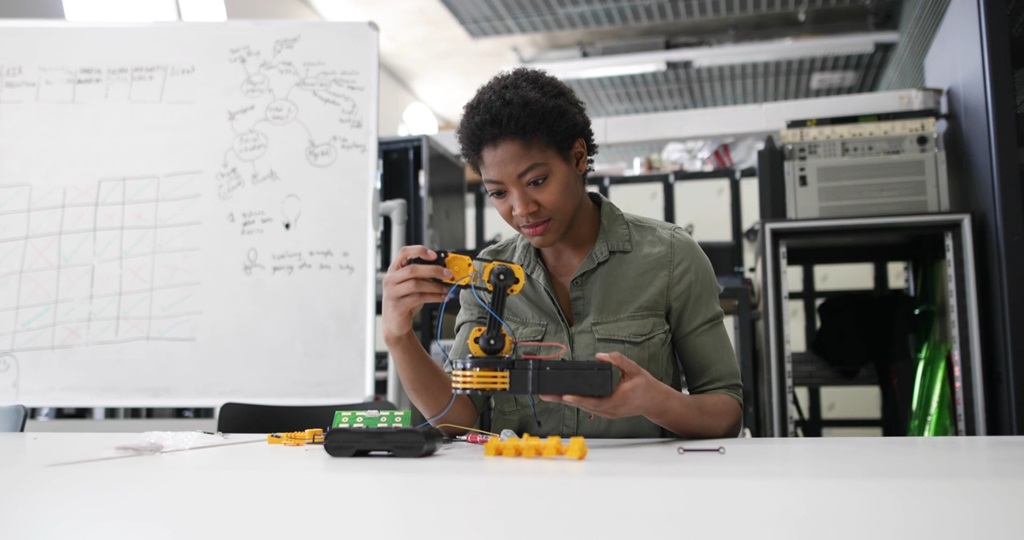
Creative professionals such as artistic directors, researchers, designers, and innovators contribute original ideas shaped by culture and lived experience.
Generative AI produces images, text, and music based on patterns in existing data.
High level creativity requires conceptual thinking, taste, and contextual judgment that extend past algorithmic recombination.
Distinction between automated output and human creativity becomes clear in areas such as:
- Brand storytelling that reflects social context and audience psychology
- Experimental design that challenges conventional expectations
- Research initiatives that frame new questions rather than recycling known answers
AI tools often assist with repetitive or template-based creative tasks. Draft outlines, mood boards, and preliminary visuals may be generated quickly.
Human professionals refine concepts, reject weak ideas, and make intentional choices aligned with long-term vision. Cultural resonance depends on sensitivity to nuance, humor, and social climate.
Innovation often emerges through risk-taking and abstract reasoning. Algorithms rely on historical data.
Breakthrough concepts frequently challenge established norms and require a perspective that machines do not possess. Creative roles adapt alongside technology rather than disappear.
Job #5 – Mental Health and Social Care Professionals

Psychologists, counselors, and social workers engage in emotionally complex interactions that demand empathy and ethical care.
Mental health support involves trust building, careful listening, and nuanced interpretation of verbal and nonverbal cues.
AI chatbots may provide scripted coping techniques or basic assessments. Authentic emotional presence cannot be programmed.
Core elements of therapy resist automation due to their interpersonal depth:
- Confidential conversations grounded in trust
- Interpretation of subtle shifts in tone, posture, and pacing
- Ethical responsibility for crisis intervention and long term treatment
Therapeutic relationships depend on professional accountability and human intuition. Treatment plans evolve as clients reveal deeper concerns over time.
Software lacks genuine emotional capacity and cannot assume legal liability for clinical decisions.
Demand for mental health services continues to rise as social and economic pressures intensify. Human professionals remain central in trauma support, addiction recovery, family counseling, and crisis response.
Technology may streamline scheduling, documentation, and intake assessments. Core counseling work remains human-centered and relationship-based.
Job #6 – Strategic Leaders and Ethical Decision Makers

Leaders, entrepreneurs, and senior decision makers guide organizations through uncertainty and change.
Long term planning requires balancing financial performance, workforce stability, public trust, and ethical responsibility.
AI systems analyze market data, forecast trends, and simulate potential outcomes. Final accountability rests with human leadership.
Modern leadership increasingly includes oversight of AI deployment within organizations. Responsibilities now include:
- Establishing ethical guidelines for technology use
- Ensuring employee training in AI literacy
- Evaluating risks tied to automation and data privacy
Decision making at high levels involves competing priorities and moral judgment.
Leaders weigh shareholder expectations against social impact and regulatory obligations.
Machines generate projections and recommendations. Authority, legal responsibility, and ethical accountability remain human obligations.
How AI Will Impact These Jobs
Common pattern across industries shows AI changing how work is performed rather than eliminating entire roles. Routine tasks become automated. Core responsibilities rooted in judgment, empathy, and accountability remain human.
Healthcare professionals use AI for diagnostics and data organization. Educators integrate adaptive learning tools into lesson planning. Skilled trades rely on digital diagnostics. Creative experts apply generative tools to accelerate production. Mental health providers may use digital intake systems. Leaders depend on analytics for forecasting.
Lifelong learning and AI literacy grow in importance. Professionals who adapt to new tools strengthen their relevance. Technology acts as an assistant that enhances efficiency while human strengths remain central.
Summary
Artificial intelligence continues to reshape industries at a rapid pace. Professions grounded in human judgment, empathy, creativity, and ethical reasoning are unlikely to disappear by 2026 or any time soon.
Automation transforms tasks. Human accountability, cultural awareness, and emotional intelligence sustain entire careers.
Success in an AI influenced economy depends on collaboration with technology. Professionals who use digital tools to amplify their expertise remain positioned for long term stability. Human capability, not software alone, determines outcomes in these essential fields.