Ecommerce is one of the fastest-growing industries in the world.
Global ecommerce market value reached $6.7 trillion in 2025, and projections suggest a rise toward $8 trillion by 2027.
Such growth creates major opportunities for entrepreneurs interested in selling products online.
Several practical steps can guide the process of launching an online shop in 2026.
Let’s go through these.
Step #1 – Choose a Profitable Niche and Products
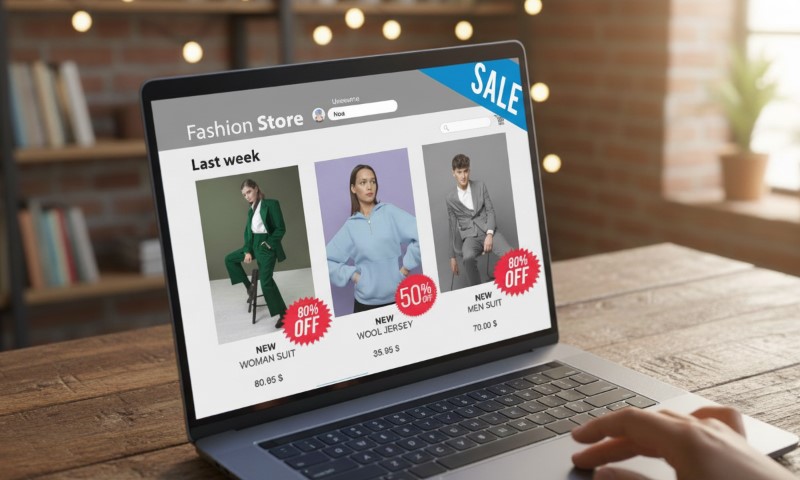
Selecting the right niche is one of the most important decisions when launching an online store.
Strong niches help stores reach the right audience and compete effectively against larger retailers.
Identify Your Target Audience
The target audience refers to a group of people most likely to purchase a product.
Clear audience identification helps shape branding decisions, marketing campaigns, and product selection.
Creating a buyer persona can clarify audience characteristics.
Important attributes include:
- Demographics such as age, income, and occupation
- Location, such as a country or region
- Interests and lifestyle habits
Buyer personas allow business owners to tailor product messaging and marketing content toward specific customer needs.
Discover Your Niche
Broad product categories create intense competition. Many successful ecommerce stores narrow their focus toward specific product segments.
Focused niches help stores attract more relevant customers and establish clearer brand positioning.
Validate Product Opportunities
Product research prevents launching a store with weak demand. Research should include competitor analysis and demand validation.
Areas worth examining include:
- Market gaps that competitors do not address
- Product features that improve existing solutions
- Customer needs that remain unmet
Strong validation reduces risk and increases chances of success.
Choose a Business Model
Ecommerce stores operate under several common business models. Each model offers different advantages depending on resources and goals.
Common models include:
- Dropshipping
- Private label products
- Wholesale products
- Handmade products
- Digital products
Clear niche selection combined with a defined business model provides a solid foundation for an online store.
Step #2 – Plan Your Online Store Strategy
Planning helps shape the direction of a new ecommerce business. Clear planning reduces mistakes and helps define how a brand competes in its market.
Create a Basic Ecommerce Business Plan
Competitor research helps identify strengths and weaknesses within a market. Careful analysis reveals opportunities for product positioning and brand differentiation.
A value proposition defines what makes a brand attractive to customers. Strong value propositions explain why customers should purchase a product instead of alternatives.
Develop Your Brand Identity
Brand identity plays a major role in recognition and customer trust. Important elements of brand identity include:
- Business name
- Logo and visual style
- Brand colors and typography
- Brand messaging and tone
Consistent branding creates a professional impression and helps customers remember the store.
Set Business Goals and Website Objectives
Clear goals shape how an online store functions and what results it should achieve.
Examples of goals include:
- Selling products directly online
- Generating leads for services
- Building long-term brand awareness
Customer experience should also be considered during planning. Smooth navigation, clear product pages, and simple checkout flows improve satisfaction and conversions.
Determine Pricing Strategy
Pricing influences profitability and competitiveness.
Key factors include:
- Cost of goods
- Shipping costs
- Marketing expenses
- Desired profit margins
Balanced pricing ensures sustainability while remaining competitive in the market.
Step #3 – Build Your Online Store
@stephenfinance How to create an online store for FREE
Creating the store involves choosing a platform, registering a domain, and designing the storefront.
Register a Domain Name
Domain names act as the website address for a store. Short and memorable domains improve brand recognition and help customers return to the store easily.
Domain names should match the brand name whenever possible. Choosing where to buy web domain names is an important step — search for available options and register one that fits your brand.
Choose an Ecommerce Platform
Ecommerce platforms provide the tools required to manage products, payments, and website design.
Popular options include:
- Shopify
- WooCommerce
- Wix
- BigCommerce
Set Up Your Ecommerce Website
Building a store usually involves several steps:
- Creating a platform account
- Adding products to the catalog
- Selecting a website theme
- Customizing layout and design
- Adding a custom domain
- Connecting apps and integrations
Most ecommerce platforms provide step-by-step setup systems that simplify the process.
Design Your Storefront
Store design strongly influences customer trust and usability.
Important design considerations include:
- User experience and site navigation
- Mobile responsiveness
- Fast loading pages
- Clear product organization
Professional storefront design encourages visitors to stay longer and explore available products.
Step #4 – Add and Optimize Your Product Listings

Product pages act as sales pages for an online store. High-quality listings improve search visibility and increase conversions.
Create Compelling Product Pages
Each product listing should contain several key elements:
- High-quality product images showing multiple angles
- Clear product descriptions explaining benefits and features
- Product variants such as sizes or colors
- Accurate pricing information
Strong product descriptions focus on how products solve customer problems.
Organize and Categorize Products
Proper organization helps customers find items quickly.
Useful organizational tools include:
- Product categories
- Tags
- Collections
Clear navigation structures reduce confusion and improve shopping experiences.
Optimize Product Pages for Search Engines
Search engines play a large role in ecommerce discovery. About 68 percent of online experiences begin with a search engine.
Search engine optimization can improve product visibility and increase traffic.
Common SEO improvements include:
- Optimized product titles
- Keyword-focused descriptions
- Image alt text
- Fast loading pages
Add Conversion Elements
Conversion-focused features increase purchase likelihood.
Effective elements include:
- Customer reviews and ratings
- Trust badges and security indicators
- Clear call-to-action buttons such as Add to Cart or Buy Now
Well-structured product pages help transform visitors into paying customers.
Step #5 – Set Up Payments, Shipping, and Store Operations
@ecomwithyvad Replying to @laser_univerzitet Hope this helps #replyingtocommentswithvideo #shopify #shopifywebsite #commentreply #onlinebusinessforbeginners #ecommerce #onlinebusinesstips #onlinebusiness
Operational setup ensures customers can complete purchases easily and receive orders reliably.
Configure Payment Gateways
Payment gateways allow customers to complete transactions securely online.
Common payment options include:
- PayPal
- Stripe
- Shopify Payments
Encrypted checkout systems protect payment data and create trust during the purchasing process.
Set Up Shipping Options
Shipping configuration plays a major role in customer satisfaction.
Common shipping options include:
- Free shipping
- Flat rate shipping
- Calculated shipping based on location and weight
Configure Store Infrastructure
Technical setup tasks help ensure accurate transactions and order fulfillment.
Important configuration tasks include:
- Setting store currency
- Defining tax rules
- Creating shipping zones
- Configuring billing and payment methods
Careful configuration prevents errors during checkout.
Add Essential Website Pages
Certain informational pages improve transparency and customer support.
Essential pages include:
- Contact page
- FAQ page
- Refund policy
- Privacy policy
Such pages help answer common questions and increase credibility.
Step #6 – Launch and Start Selling
Store launch marks the transition toward active marketing and sales.
Test Your Store Before Launch
Testing ensures that all systems function correctly.
Important testing steps include:
- Placing test orders
- Checking payment processing
- Verifying shipping cost calculations
Thorough testing prevents technical issues after launch.
Create a Marketing Strategy
Traffic generation remains critical for ecommerce success.
Common marketing channels include:
- Social media marketing
- Email marketing
- Paid advertising
- Influencer partnerships
Multiple marketing channels increase visibility and attract new customers.
Promote Your Store
Promotion activities help introduce the brand to potential customers.
Effective promotion methods include:
- Search engine optimization
- Email campaigns
- Discount offers and promotional codes
- Social media campaigns
Consistent promotion builds brand awareness and increases sales opportunities.
Optimize and Scale
Growth requires continuous improvement after launch.
Important optimization activities include:
- Analyzing traffic and conversion metrics
- Improving product page performance
- Expanding the product catalog
Data-based improvements allow stores to scale over time.
Summary
Launching an online store in 2026 has become more accessible due to modern ecommerce platforms and digital marketing tools.
Global ecommerce growth toward $8 trillion by 2027 suggests continued opportunity for new online stores.
Careful planning, strong product selection, and effective marketing can help transform a simple idea into a profitable ecommerce business.