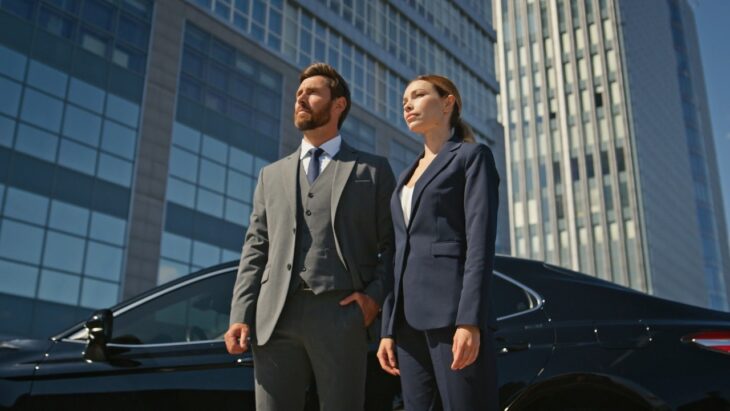
Corporate attire is regaining structure after years of relaxed standards.
Post-pandemic workplace culture has prompted companies to clarify expectations and restore a sharper image in many sectors.
Traditional business clothing is returning in law, finance, and executive leadership, while hybrid schedules continue to shape daily choices.
Dress codes now balance:
- Professionalism
- Brand identity
- Personal expression
- Comfort
Clothing communicates competence and reliability, yet also signals alignment with company values.
Expectations are no longer limited to suits versus jeans. Fit, fabric, presentation, and context all play a role.
Confusion still surrounds the term business casual. Many employees remain unsure if an outfit meets expectations. One office may permit clean sneakers and dark denim, while another expects pressed trousers and structured jackets.
Clear internal standards reduce uncertainty and help employees dress with confidence.
What are the 2026 Categories?
Workplace attire in 2026 follows clearer tiers.
Expectations depend on industry, leadership style, and public visibility, yet most offices align with a shared framework that ranges from highly formal to intentionally relaxed.
Corporate Professional Standards
High accountability roles and client-facing environments require elevated presentation. Structure, polish, and restraint define corporate professional standards.
Business Formal
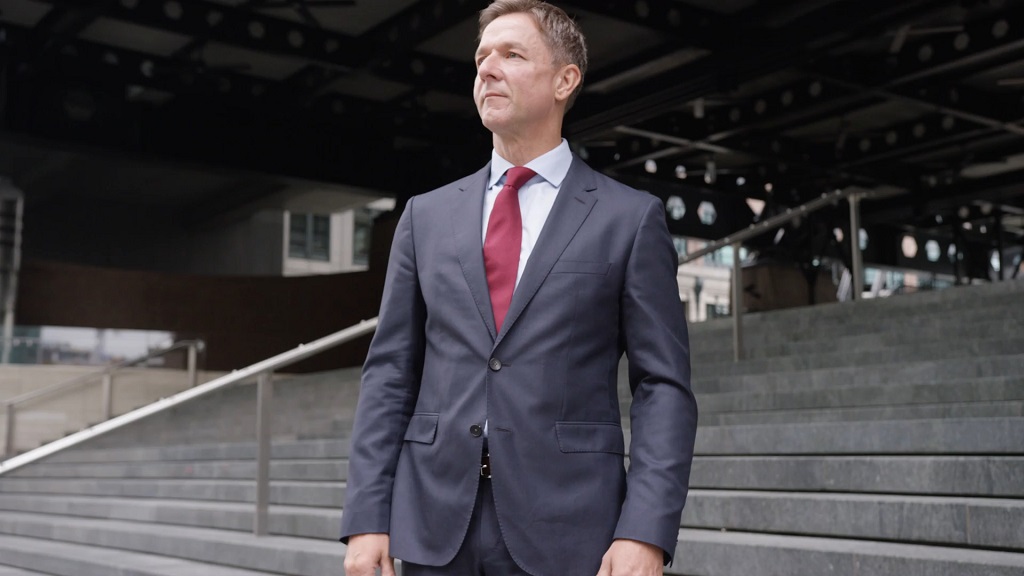
Business formal remains the benchmark in law firms, financial institutions, boardrooms, and executive suites.
Precision in tailoring and conservative styling communicates authority. Visual consistency across leadership teams reinforces trust.
In highly traditional industries, overall presentation extends beyond clothing. Visible tattoos may still influence perception in client-facing and executive roles.
While some professionals opt for strategic coverage, others explore services such as top-rated tattoo removal Surrey when seeking a more conservative, boardroom-aligned appearance.
Common elements in business formal settings include:
- Dark tailored suits in navy, charcoal, or black
- Crisp dress shirts in white or light blue
- Closed toe leather shoes polished to a high shine
- Minimal jewelry and structured handbags
Women often select structured dresses, tailored skirt suits, and refined pant suits in neutral tones. Hemlines remain professional, necklines modest, and fabrics substantial.
Accessories stay understated to maintain a composed presence.
Men typically rely on tailored two piece or three piece suits. Ties remain standard in many firms, though some executive environments allow removal during internal meetings. Grooming, pressed fabrics, and precise fit carry equal importance as garment selection.
Business Professional
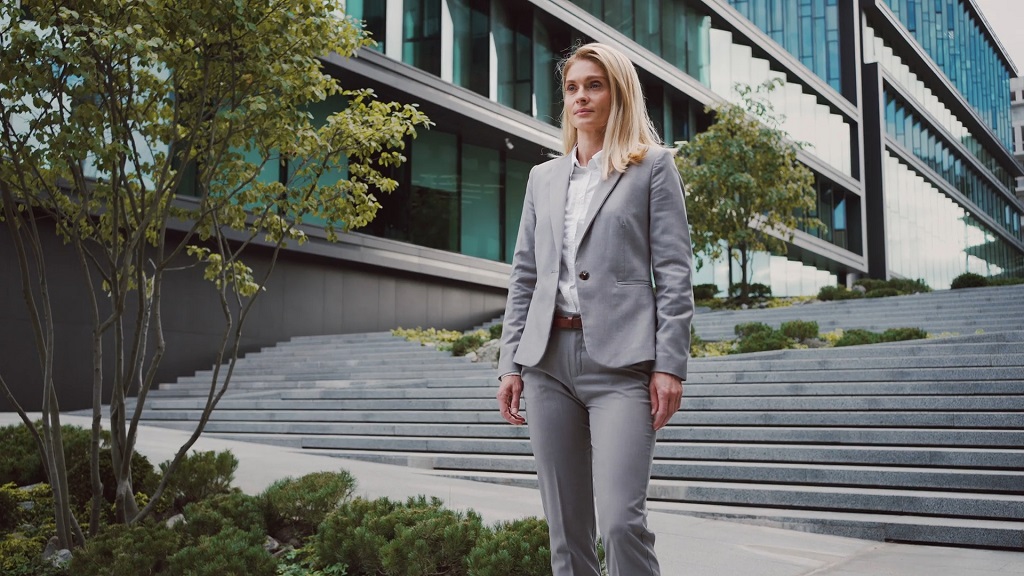
Business professional attire softens strict formality while maintaining sharp structure. Client interaction still influences expectations, yet creative styling within limits becomes acceptable.
Tailored separates with clean lines define this level. Polished blazers paired with trousers or pencil skirts create a refined silhouette. Subtle personality may appear through texture, color variation, or accessories.
Fit outweighs trend. Oversized cuts, exaggerated shoulders, and slouchy tailoring weaken presence. Well tailored garments project competence and discipline without appearing rigid.
What Modern Office Really Means
Modern offices often operate with flexible schedules and mixed collaboration formats. Dress expectations adjust to accommodate in person meetings, video calls, and casual team interaction. Middle tier categories dominate many workplaces.
Business Casual 2026 Definition
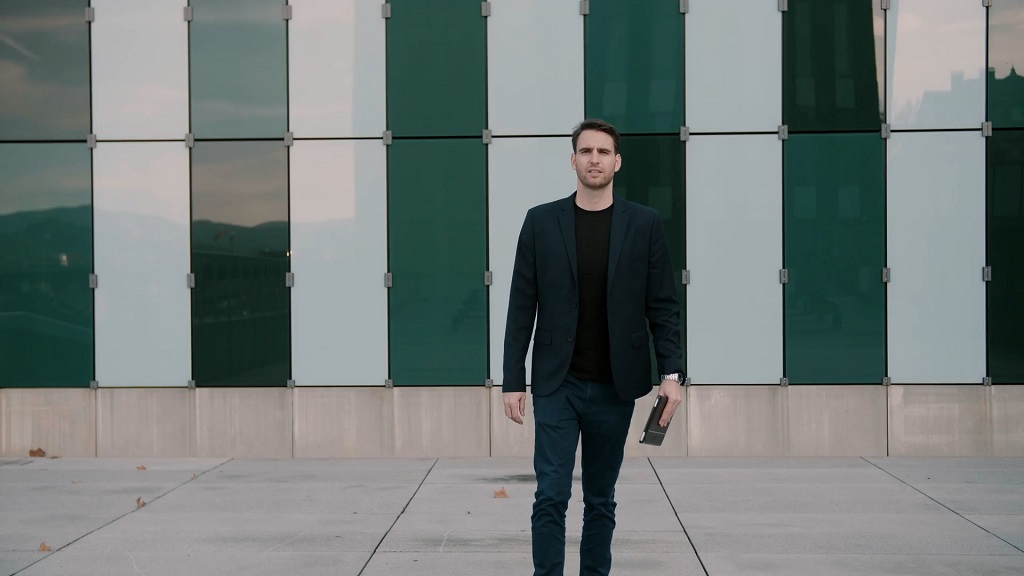
Business casual functions as a bridge between structured corporate attire and relaxed office wear. Many organizations identify it as the default standard.
Blouses, chinos, neat trousers, and minimal graphics align with this category. Clean sneakers appear in offices that permit them, provided they are free of heavy branding and wear.
Items that do not align include:
- Distressed denim with visible tears
- Athletic leggings worn as pants
- Graphic heavy T shirts
- Flip flops or sport sandals
Large numbers of employers provide written dress standards to reduce confusion.
Custom embroidered polos, logo pullovers, and branded button-downs appear more frequently. Branded apparel clarifies expectations while strengthening company identity.
Smart Casual
Smart casual introduces greater comfort while preserving polish.
Hybrid work patterns make this category practical for professionals who shift between home offices, client lunches, and evening events.
Dark jeans with clean lines often replace trousers.
Quality tops, structured sweaters, and lightweight blazers elevate simple combinations. Intentional styling separates smart casual from weekend wear.
Effective smart casual outfits often include:
- Dark denim paired with a tailored jacket
- Knit tops with defined shoulders and clean necklines
- Minimalist leather sneakers or loafers
- Coordinated neutral tones that create cohesion
Garments must transition smoothly across settings. Structured layers prevent an overly relaxed impression during meetings and presentations.
Casual or Startup Casual
Startup environments and creative offices may adopt a more relaxed dress code. Comfort plays a larger role, yet neatness remains essential.
Casual does not mean careless. Appropriate choices often include clean denim, simple sneakers, and unfussy tops. Items that undermine credibility still remain off limits, including gym shorts, offensive graphics, and beach sandals.
Clean silhouettes and thoughtful coordination maintain professionalism even in relaxed cultures. Intentional dressing signals respect for colleagues and clients.
Practical Wardrobe Guidance for 2026
Building a functional wardrobe requires clarity about daily expectations. Core pieces vary according to dress category, yet consistency in grooming and fit remains universal.
Men
View this post on Instagram
Conservative workplaces prioritize timeless structure. Dark suits continue to define daily attire.
Essential elements in these settings include:
- Navy, charcoal, or black suits with sharp tailoring
- White or light blue dress shirts pressed and structured
- Black or dark brown leather shoes maintained carefully
- Minimal accessories such as a simple watch and leather belt
Precision in tailoring shapes first impressions. Sleeves should reveal a small portion of shirt cuff. Trouser length should create a clean break without pooling.
Women
Structured skirts, sheath dresses, and tailored pants anchor traditional wardrobes. Neutral color palettes such as black, gray, navy, and beige create versatility across seasons.
Subtle textures elevate conservative outfits:
- Fine wool for cooler months
- Structured cotton for warmer weather
- Crepe fabrics that maintain shape
- Matte leather handbags in classic silhouettes
Closed toe heels or elegant flats maintain polish. Balanced proportions and careful tailoring support a confident presence.
Modern Business Casual
Modern business casual wardrobes center on adaptable staples. Flexibility allows professionals to adjust formality based on meetings and daily tasks.
Core Pieces
Tailored trousers, chinos, and clean dark jeans create reliable foundations. Dark denim gains acceptance when free of distressing and paired with refined tops.
Strong foundational items often include:
- Button down shirts in solid or subtle patterns
- Knit tops with structure at the shoulder
- Lightweight blazers that add shape
- Polos in high quality cotton or knit blends
Footwear plays a defining role. Loafers, ballet flats, and polished sneakers often align with guidelines. Flip flops and overly bold trainers weaken a professional image.
Women
Wide leg trousers and midi skirts provide movement while retaining structure. Tasteful knitwear with defined shape avoids a boxy appearance. Silk blouses and structured jackets elevate denim when styled intentionally.
Men
Chinos or tailored trousers pair effectively with button downs or refined polos. Lightweight sweaters add depth without bulk. Minimalist leather shoes or clean loafers complete the look.
Trends Defining Office Wardrobes in 2026
Current style movements shape what is considered appropriate. Structure, comfort, and refined detail guide purchasing decisions.
Power and Tailored Silhouettes
Tailored power suits and structured blazers influence professional wardrobes.
Defined shoulders and contoured waists signal authority.
Strong lines project confidence during presentations and leadership roles.
Comfort Meets Structure
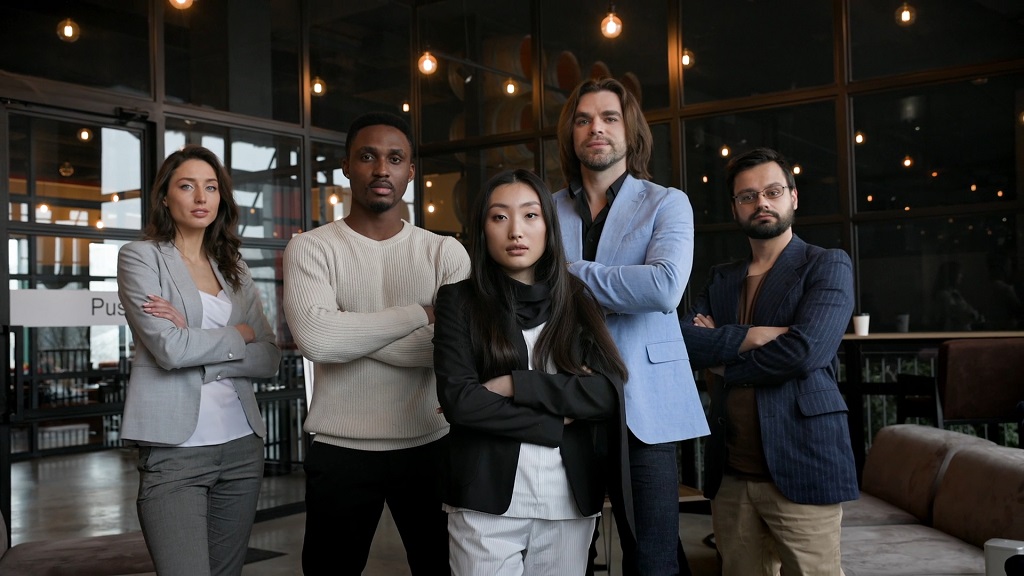
Soft layering and knit structures gain traction as professionals seek ease without sacrificing polish.
Capsule wardrobes built around coordinated neutrals simplify daily selection.
Effective capsule collections often rely on:
- Two or three blazers in versatile tones
- Coordinated trousers and skirts that mix easily
- Knit tops in neutral shades
- Minimalist footwear compatible with multiple outfits
Comfort works alongside structure, not in place of it.
Textures and Details
Silk blouses, subtle leather accents, and matte finishes add dimension to modern workwear.
Statement accessories appear in controlled amounts to elevate simple outfits.
Attention to stitching, fabric weight, and proportion separates polished ensembles from average combinations. Careful detail reinforces credibility in every category.
Wrapping Up
Dress codes in 2026 focus less on rigid rules and more on intentional presence. Clothing shapes perception, influences confidence, and supports professional growth.
Formal, business casual, and smart casual categories each require thoughtful execution. Attire selected with purpose becomes a powerful career tool that strengthens credibility and impact.