Digital marketing in 2026 moves at an unprecedented pace, shaped by artificial intelligence, shifting consumer behavior, and stricter privacy expectations.
Over 1 billion people now use AI tools each month, signaling a massive shift in how audiences interact with brands and content.
Digital ecosystems continue to expand across platforms, devices, and regions, creating more touchpoints than ever before.
Businesses can no longer rely on static plans. Continuous testing, rapid iteration, and flexible execution define successful marketing efforts.
Companies that leverage data, personalization, and connected customer experiences will certainly outperform competitors.
Let’s talk about these in greater detail.
1. AI-Powered Personalization at Scale

Artificial intelligence has become the foundation of modern marketing rather than a supporting feature.
Around 75% of brands already use generative AI in their strategies, and adoption continues to rise.
At the same time, 75% of consumers show a higher likelihood to purchase when content feels personalized.
AI agents now optimize campaigns autonomously, improving performance without constant human input. Personalization extends across emails, advertisements, and websites, adapting instantly to user behavior and preferences.
Marketers are shifting roles as execution tasks decrease. Focus now moves toward planning, interpretation, and managing AI systems.
The balance between automation and human judgment determines long-term success.
2. Voice and Conversational Marketing

Search behavior continues to shift toward conversation-based interaction.
Users increasingly ask full questions instead of typing short keywords.
Voice assistants and AI-powered search tools gain traction across devices, making spoken queries more common.
- Smart speakers and mobile voice assistants
- AI chat interfaces integrated into search tools
- Messaging-based commerce through chatbots
Discovery no longer depends only on traditional search engines.
AI platforms, social media channels, and online marketplaces all influence how users find information and products.
Conversational commerce, chatbots, and strategies like using the best push ad networks allow instant interaction, shortening decision cycles.
Content must adapt to natural language patterns and intent-focused queries. Optimization now includes multiple platforms, ensuring visibility across various digital environments.
- Clear, question-based content structure
- Context-aware responses tailored to user intent
- Consistent presence across AI and social platforms
3. Short-Form Video and Interactive Content Dominance
Short-form video remains one of the fastest ways to build trust and engagement.
Platforms such as TikTok, Instagram Reels, and YouTube Shorts dominate user attention.
Audiences prefer quick, authentic content instead of highly polished long-form material.
- Short videos capture attention within seconds
- Authentic, unpolished content increases relatability
- Frequent posting improves visibility and reach
User-generated content plays a major role in influencing purchase decisions.
Consumers trust content created by other users more than traditional advertising.
Interactive formats such as polls, filters, and augmented reality experiences increase engagement and participation.
Customers want quick proof of value. Visual demonstrations and authentic feedback often outperform lengthy explanations.
4. Privacy-First Marketing and First-Party Data Strategies

Decline of third-party cookies continues to reshape data strategies.
- Subscriptions
- Memberships
- Owned platforms
Direct relationships with customers become more valuable than ever.
Privacy shifts into a competitive advantage. Transparency and clear data practices help build trust and strengthen brand perception. Consumers expect personalization but remain cautious about tracking practices.
- Desire for relevant, personalized experiences
- Concern about how personal data is collected and used
Consent-based systems and open communication define modern marketing ecosystems.
Companies that respect user privacy while delivering relevant experiences gain stronger loyalty.
5. Influencer Marketing Evolution (Micro, Nano & Authentic Creators)

Influencer marketing continues shifting away from celebrity endorsements toward smaller, highly focused creators.
Micro and nano influencers maintain closer relationships with their audiences, often built through frequent interaction and shared interests.
Engagement rates often surpass those of larger accounts because followers view these creators as more relatable and trustworthy.
- Higher engagement rates due to direct communication with followers
- Stronger community loyalty built through consistent interaction
- More targeted reach within specific niches
Brands are adjusting how they collaborate with creators. Creator-led storytelling now plays a central role in building credibility.
Audiences respond more positively to content that feels personal and experience-based rather than scripted promotion.
- Consistent brand presence across multiple posts and formats
- Increased trust through repeated exposure
- Better alignment between brand messaging and creator voice
Rapid growth of AI-generated media has created noticeable fatigue among audiences.
Many users are becoming more selective about the content they engage with, often avoiding material that appears overly polished or artificial.
Preference is shifting toward content that feels human, imperfect, and spontaneous.
- Greater interaction with unedited or lightly edited content
- Increased skepticism toward content that appears automated
- Stronger emotional connection with personal stories and real experiences
User-generated content continues to play a major role in purchase decisions.
Content created by actual customers adds credibility that traditional advertising struggles to match.
Creator partnerships amplify this effect by combining authenticity with reach.
6. Omnichannel and Integrated Customer Experiences
Customer interactions now span search engines, social media, video platforms, marketplaces, and physical locations.
Seamless experiences across all channels have become essential.
- Initial discovery through social or video platforms
- Research through search engines or reviews
- Final purchase through marketplaces or brand websites
Content ecosystems replace traditional keyword-focused optimization.
Brands focus on full-funnel engagement, guiding users through awareness, consideration, and purchase stages across multiple touchpoints.
- CRM platforms that unify customer data
- Analytics tools that track behavior across channels
- Automation systems that deliver consistent messaging
Successful brands appear early in the discovery phase and reduce friction during the buying process.
7. Immersive Technologies (AR/VR & Interactive Experiences)
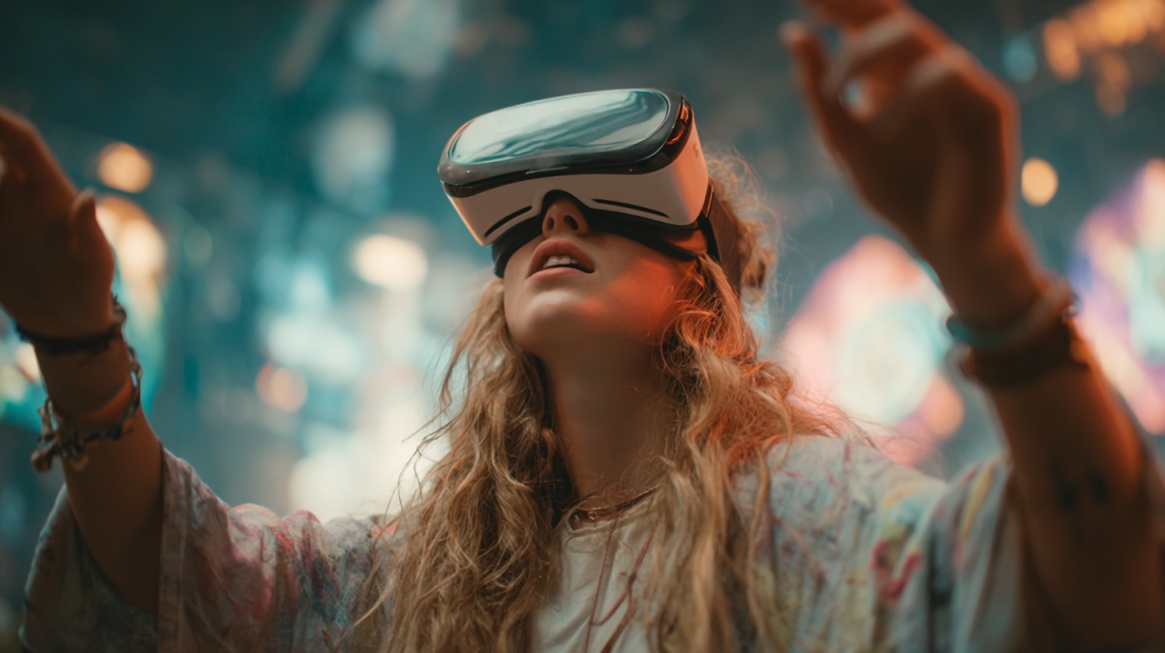
Adoption of augmented reality and virtual reality continues to grow.
Around 71% of consumers report a higher likelihood to shop when AR features are available. More than 30% of marketers already use AR or VR in campaigns.
- Up to 40% increase in conversion rates
- Higher product confidence through visualization
- Longer engagement times during interactive sessions
Immersive technologies allow customers to interact with products in new ways.
Virtual try-ons, product demonstrations, and interactive brand environments create stronger connections and reduce uncertainty.
- Virtual fitting rooms for retail
- 3D product previews for e-commerce
- Interactive environments for brand storytelling
Growth continues with advancements in 5G networks, wearable devices, and AI integration.
These technologies expand possibilities for deeper engagement and more immersive interactions. These tactics are sure to capture investors’ attention and get your business growing in no time!
Summary
Marketing in 2026 focuses on artificial intelligence, personalization, privacy, and multi-platform discovery. Success depends on balancing advanced technology with human authenticity.
Companies that adapt quickly, test continuously, and maintain a strong focus on customer needs will lead in an increasingly competitive environment.