
Rising costs tied to inflation, labor shortages, and unstable supply chains are forcing small businesses to rethink how money gets spent.
Pressure is not limited to expenses alone. Owners must still support growth, protect customer experience, and keep teams motivated.
Cutting costs can weaken operations if handled poorly, yet avoiding action can reduce profitability.
Smart cost management focuses on improving efficiency while protecting performance.
Savings should strengthen the business, not limit its ability to compete or grow.
Optimize Operations for Efficiency

Strong operations create a foundation for cost control without sacrificing performance.
Efficient systems reduce waste, improve output, and allow teams to do more with fewer resources.
Streamline Processes
Operational inefficiencies often hide in daily workflows.
Repeated steps, unclear responsibilities, and outdated procedures create delays and increase costs.
Careful review of how tasks move across teams often reveals areas where time and effort are wasted.
Simplified processes improve consistency and reduce errors. Standardizing tasks lowers training costs and helps employees complete work faster.
Clear workflows also support scaling, since new team members can follow defined steps without constant supervision.
Automate and Digitize
Manual tasks consume time and increase the risk of mistakes.
Automation tools such as accounting software, CRM systems, and inventory platforms reduce labor demands while improving accuracy.
Businesses that rely on manual processes often pay more in hidden costs tied to errors and delays.
Digital tools can replace repetitive administrative work in several key areas:
- Automated invoicing and billing reduce late payments and manual tracking
- CRM systems manage customer interactions and follow-ups without constant input
- Inventory systems track stock levels in real time and prevent overordering
- Reporting tools generate insights without manual data compilation
Efficiency gains allow employees to focus on higher-value work such as customer service, sales, and problem-solving.
Over time, automation reduces operational strain while improving consistency.
Monitor Performance Metrics
Tracking performance metrics provides visibility into how resources are used.
Without clear data, cost reduction efforts often rely on assumptions that may harm productivity.
Data-backed decisions reduce guesswork. Business owners can identify areas where costs can be reduced without affecting output or service quality.
Consistent monitoring also prevents small inefficiencies from turning into larger financial problems.
Reduce Overhead Without Cutting Capacity
Overhead costs often include fixed expenses that seem difficult to change.
Careful adjustments can reduce these costs without limiting operational capability or growth potential.
Improve Energy Efficiency
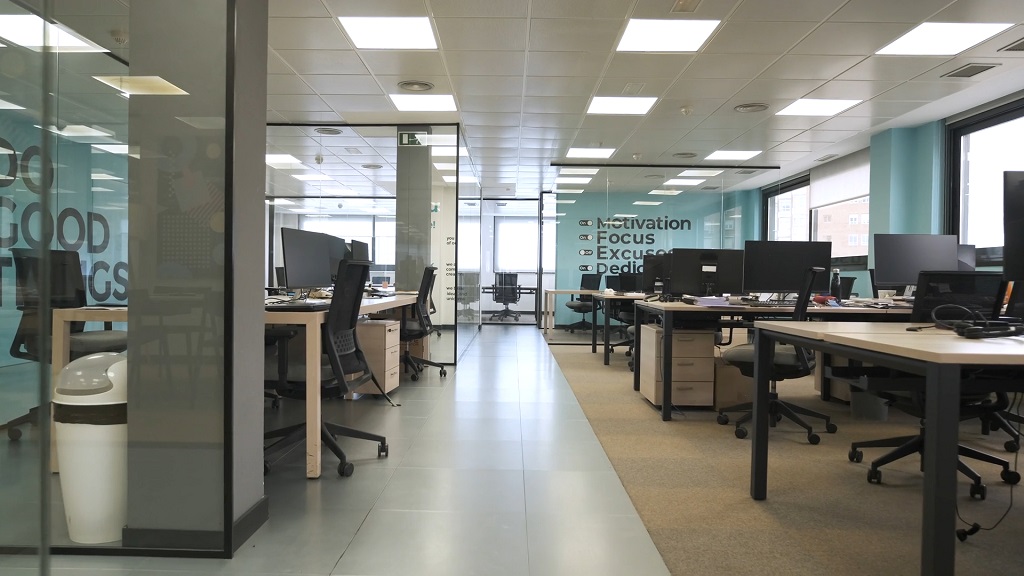
Utility costs can quietly increase operating expenses over time.
Energy-efficient upgrades and better usage habits create steady savings without disrupting daily operations.
Practical changes often deliver measurable results:
- Switching to LED lighting reduces electricity consumption
- Upgrading equipment lowers energy usage and maintenance costs
- Improving insulation reduces heating and cooling expenses
- Turning off idle equipment prevents unnecessary energy waste
Small adjustments, applied consistently, can reduce monthly expenses and improve long-term cost control.
Businesses with transportation or logistics needs can further reduce operating expenses by leveraging solutions within the U.S. fuel card market, which offer better tracking, control, and savings on fuel-related spending.
Rethink Workspace Costs
Office space represents a major expense for many businesses.
Remote and hybrid work models reduce rent, utilities, and maintenance costs while maintaining productivity.
View this post on Instagram
Flexible workspace options provide additional savings and adaptability:
- Coworking spaces eliminate long-term lease commitments
- Shared offices allow businesses to pay only for space in use
- Rotational schedules reduce the need for full-capacity offices
Scalable workspace solutions allow businesses to adjust quickly as needs change, avoiding unnecessary financial strain.
Lease or Buy Used Equipment
Large capital purchases can limit cash flow and reduce financial flexibility. Leasing spreads costs over time, allowing businesses to maintain liquidity while accessing necessary equipment.
Refurbished equipment offers another cost-saving option with minimal trade-offs:
- Lower upfront investment compared to new equipment
- Reliable performance when sourced from reputable providers
- Reduced depreciation impact on financial statements
Maintaining operational capability without heavy spending supports stability and growth.
Negotiate and Manage Vendors Strategically
Vendor relationships play a critical role in cost structure. Active management of these relationships can unlock savings without affecting quality or reliability.
Renegotiate Contracts

Supplier agreements often contain room for adjustment.
Vendors may offer better terms to retain long-term clients or secure consistent business.
Even modest changes can produce noticeable results:
- Price reductions of 5% to 10% across multiple contracts
- Extended payment terms that improve cash flow
- Discounts tied to volume commitments
Regular review of contracts ensures that pricing remains competitive and aligned with current market conditions.
Consolidate Suppliers
Managing a large number of vendors increases complexity and reduces negotiating power. Fewer suppliers simplify procurement and strengthen relationships.
Benefits of consolidation include:
- Bulk purchasing discounts due to higher order volumes
- Reduced administrative workload tied to managing multiple vendors
- Improved communication and service consistency
Stronger partnerships often lead to better pricing and more reliable service.
Explore Alternative Vendors
Market conditions change, and supplier pricing can vary widely. Regular comparisons help ensure that current vendors remain competitive.
Evaluation should focus on both cost and performance:
- Pricing structures and hidden fees
- Service reliability and delivery times
- Product or service quality
Switching vendors can reveal savings opportunities without compromising operational standards.
Optimize Workforce Costs Without Layoffs
Labor costs represent a significant portion of expenses.
Reducing staff may seem like a quick solution, but it can harm productivity and morale.
Improving efficiency within the existing workforce offers a more sustainable approach.
Improve Productivity Instead of Reducing Staff

Workforce efficiency can often be improved without reducing headcount.
Better tools, clearer communication, and refined processes increase output while maintaining team stability.
Maintaining a stable workforce supports long-term performance and preserves institutional knowledge.
Outsource Non-Core Tasks
Certain functions do not require full-time internal staff. Outsourcing allows businesses to access expertise without long-term commitments.
Common areas suitable for outsourcing include:
- IT support and system maintenance
- Human resources administration
- Accounting and payroll processing
Internal teams can then focus on activities that directly generate revenue or improve customer experience.
Cross-Train Employees
Cross-training increases flexibility and reduces dependence on specific individuals.
Employees who can handle multiple roles help maintain operations during busy periods or staff absences.
Resilient teams adapt more easily to changing demands.
Maintain Employee Engagement
Cost reduction efforts should not weaken workplace culture. Engaged employees contribute more effectively and are more likely to identify inefficiencies.
Engagement can be supported through:
- Open communication about business goals and challenges
- Recognition of contributions and cost-saving ideas
- Opportunities for skill development and growth
Motivated teams play a key role in sustaining efficiency improvements.
Summary
Cutting costs effectively requires smarter operations rather than smaller ambitions.
Efficiency, technology, and disciplined spending allow businesses to reduce expenses while maintaining performance.
Sustainable cost management strengthens competitiveness and supports long-term growth.