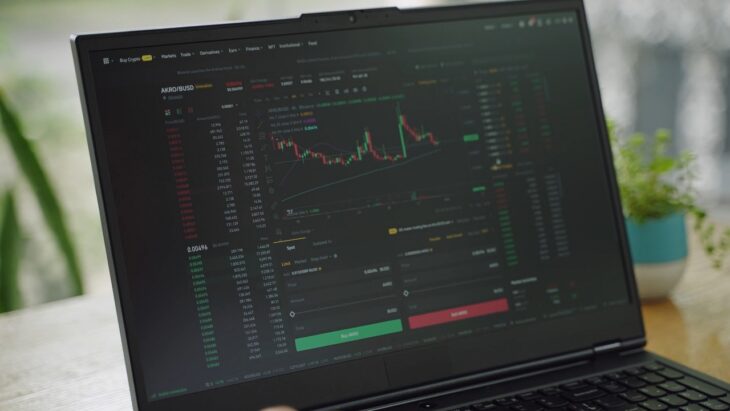
Trading platforms changed significantly over the past decade as technology expanded access to global financial markets.
Online brokerages and mobile trading applications now allow individuals to participate in markets that once required professional intermediaries.
Retail investors can execute trades, analyze price movements, and monitor portfolios through platforms accessible on smartphones, tablets, and desktop systems.
Selecting a trading platform remains a critical decision for traders and investors.
Platform design, performance, and pricing structure directly affect trading efficiency and overall profitability.
Let us see what the factors are that play the biggest role in a trading platform being worth consideration.
Platform Reliability and Execution Speed
Reliable performance and fast execution form the operational backbone of any modern trading platform. Financial markets operate continuously across multiple time zones, processing massive volumes of transactions every second.
Platform infrastructure must support uninterrupted access, quick order processing, and consistent system responsiveness.
Traders rely on stable systems to manage positions, execute trades, and monitor price movements without technical barriers.
Strong infrastructure reduces operational risk and helps maintain confidence in trading conditions.
Fast order execution
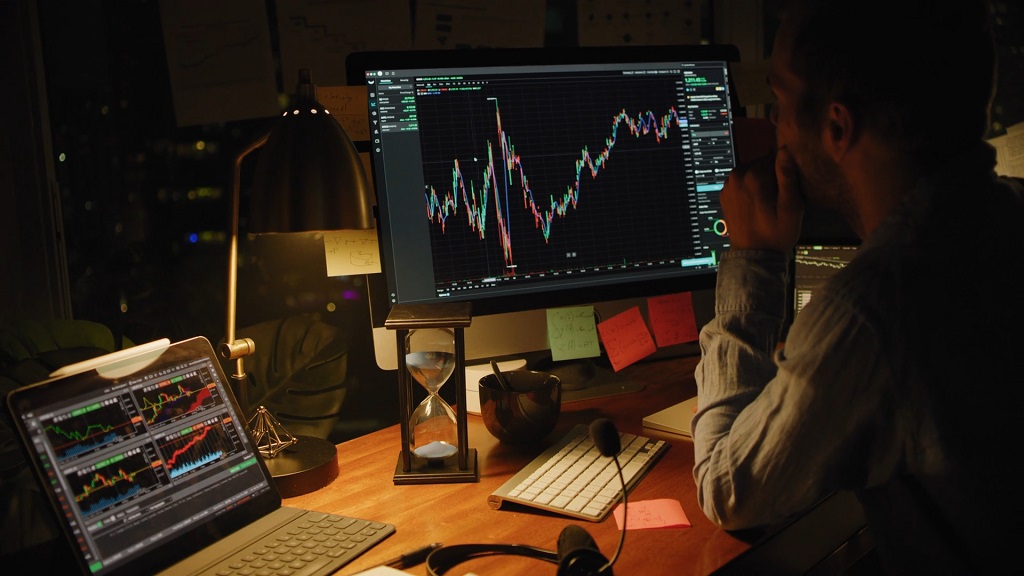
Execution speed influences the outcome of many trading strategies. Rapid processing of buy and sell orders allows traders to secure desired prices during active market conditions. Even small delays can create differences between expected and executed prices.
Several trading approaches depend heavily on execution speed. Examples include:
- Day trading strategies that open and close positions within minutes or hours
- Scalping strategies that attempt to capture very small price movements
- Algorithmic systems that rely on automated rule-based trading
Delays of even a few seconds may lead to unfavorable price changes. Efficient platforms connect traders directly to liquidity providers and exchanges through optimized routing systems. Quick confirmation of trade orders allows traders to respond rapidly to market movements.
Infrastructure supporting fast execution often includes advanced order routing technology. Systems analyze available liquidity across multiple venues and direct orders to the most efficient execution path.
Volatile markets such as cryptocurrency and foreign exchange require particularly fast execution. Price fluctuations in those markets can occur within fractions of a second, making latency a significant factor in profitability.
System reliability during high market activity
Market activity often increases sharply during major economic announcements or unexpected global events. High trading volumes can place significant pressure on trading infrastructure.
Several situations commonly generate spikes in trading activity:
- Central bank interest rate announcements
- Major economic reports such as inflation or employment data
- Corporate earnings releases
- Global geopolitical developments
Economic announcements, geopolitical events, and major financial news can generate large numbers of orders within short time frames.
Platforms designed for professional use prepare for these scenarios through scalable infrastructure and high-capacity network systems.
Strong platforms maintain operational stability during those periods.
Systems designed for heavy traffic continue processing trades without freezing interfaces or delaying order confirmation.
Consistent performance during intense market activity increases trader confidence and reduces operational risk.
Reliable access during high-volume trading periods helps ensure traders maintain full control over their positions.
Fees, Commissions, and Pricing Transparency
Fee structures vary significantly between trading platforms. Costs may include direct commissions on:
- Trades
- account maintenance charges
- withdrawal fees
- Inactivity penalties
Transparent pricing policies allow traders to calculate potential expenses accurately. Traders often consult independent broker analysis and comparison platforms to review fee structures, trading conditions, and platform features before selecting a provider.
Clear presentation of all associated costs helps traders select platforms aligned with their financial goals.
Commission-free trading trend

Commission-free trading has become increasingly common in stock markets. Many online brokerages eliminated traditional per-trade fees to attract retail investors.
Revenue for those platforms often comes through alternative channels such as spreads, payment for order flow, or premium account features. Traders benefit through reduced direct transaction costs, particularly during frequent trading activity.
Commission-free models have played an important role in expanding retail participation in financial markets.
Balancing cost with value
Low fees remain attractive but should not act as the only selection factor. Reliable execution systems, advanced charting tools, and strong security features add significant value to a trading platform.
Higher-quality platforms may charge modest fees in exchange for improved services and infrastructure. Evaluating overall functionality alongside pricing leads to more informed decisions.
Cost efficiency combined with strong technical features provides a balanced approach to platform selection.
Range of Available Assets and Markets
Modern trading platforms aim to provide access to a broad selection of financial instruments.
Access to multiple markets allows traders and investors to build flexible portfolios and pursue a variety of investment strategies.
Availability of different asset classes supports risk management and capital allocation decisions.
Traders can move capital across markets depending on price trends, economic conditions, or portfolio objectives.
Diversification opportunities
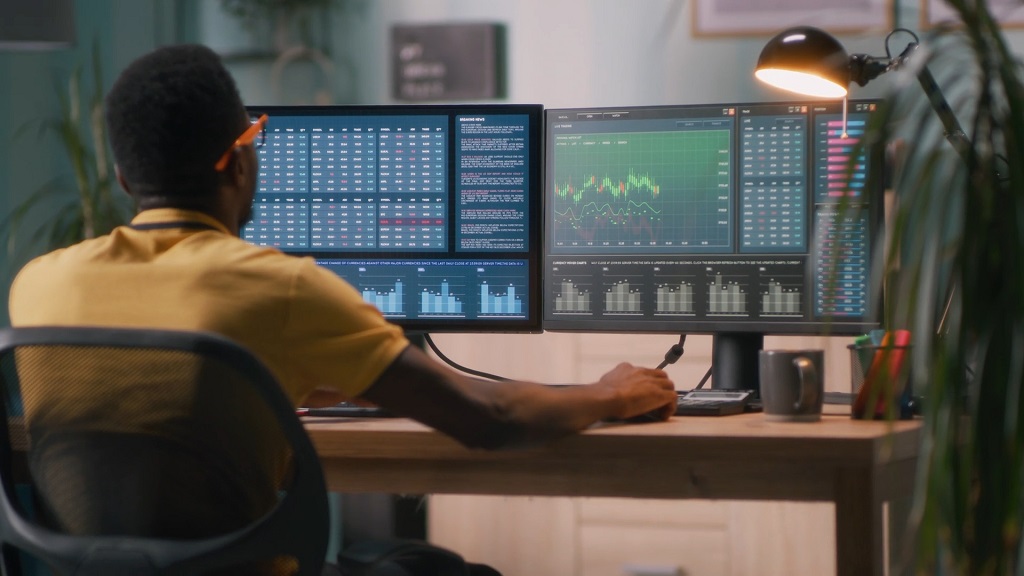
Access to multiple asset classes allows traders to spread risk and pursue various strategies.
Modern trading platforms commonly provide exposure to several financial instruments, including:
- Stocks
- Exchange-traded funds (ETFs)
- Commodities
- Cryptocurrencies
- Foreign exchange markets and derivatives
Availability of several asset classes supports portfolio diversification and flexible investment planning.
Traders can shift capital between markets depending on economic conditions or personal strategy.
Access to international markets
Global market access remains an important feature of modern trading platforms. Investors increasingly seek exposure to companies and financial instruments listed outside their domestic exchanges.
Platforms offering trading access to United States equities, European markets, Asian exchanges, and emerging economies allow broader investment opportunities. Global connectivity expands potential portfolio growth and risk management options.
International access also allows traders to react to regional economic developments that influence asset prices worldwide.
Multi-asset platforms gaining popularity
Many modern platforms now support multi-asset trading within a single account, and brokers such as Exness offer access to multiple asset classes including forex, cryptocurrencies, commodities, and stocks through unified trading platforms.
Unified platforms simplify account management and portfolio tracking. Traders gain the ability to monitor different markets through one interface while applying consistent analysis tools and risk management systems.
Growth of multi-asset platforms reflects increasing demand for integrated trading environments.
Trading Tools and Analytical Capabilities
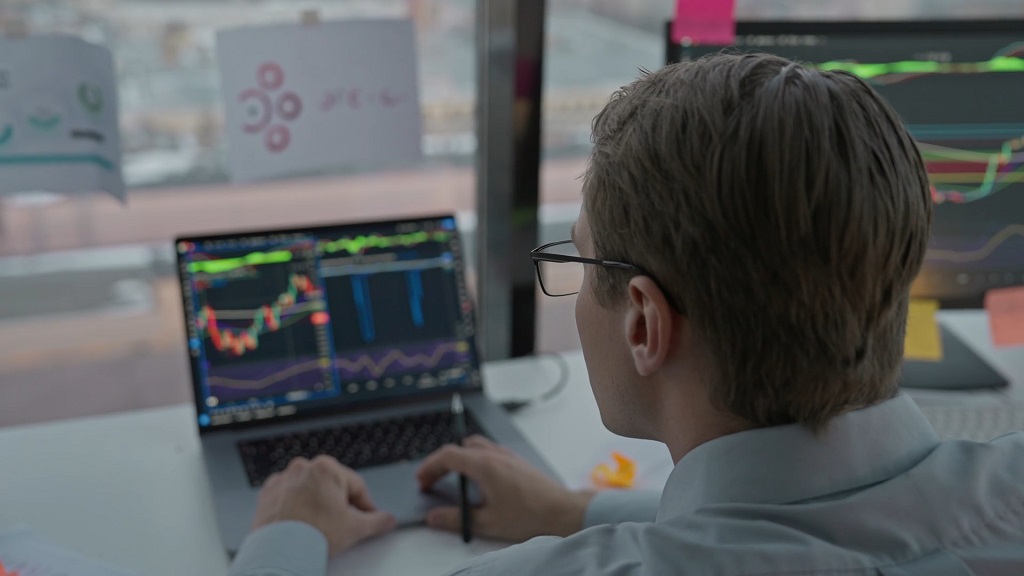
Modern trading platforms integrate analytical tools designed to support both short-term trading and long-term investment decisions.
Access to market data, charting software, and research resources allows traders to evaluate price movements and market conditions efficiently.
Analytical capabilities often determine how effectively traders interpret financial data.
Advanced platforms combine technical indicators, automated trading features, and research information within a single interface.
Strategy development features
Algorithmic trading tools have become increasingly available on modern platforms.
Automated systems allow traders to execute trades based on predefined conditions without manual input.
Strategy development systems often provide several advanced capabilities:
- Backtesting tools that evaluate strategies using historical data
- Automated trading scripts that execute predefined trading rules
- Optimization features that adjust strategy parameters for improved performance
Backtesting tools allow traders to evaluate strategies using historical market data. Results help determine potential profitability and risk levels before committing capital.
Some platforms also support automated trading bots or expert advisor systems capable of operating continuously without manual intervention.
Automated systems can analyze market conditions and execute orders faster than manual trading. Many experienced traders use automation to maintain discipline and consistency within trading strategies.
Access to research and market insights
Market research tools provide additional context for interpreting price movements. News updates, economic data releases, and analyst commentary often influence short-term and long-term market behavior.
Economic calendars track scheduled announcements such as interest rate decisions, employment reports, and inflation data.
News integration allows traders to monitor events affecting financial markets in real time. Immediate access to information allows traders to respond quickly to developing economic conditions.
Access to reliable market information supports informed decision-making and improved risk management.
User Experience and Interface Design
User interface design significantly affects trading efficiency. Well-structured platforms allow traders to focus on analysis and execution rather than navigation difficulties.
Clear layouts, responsive design, and flexible customization options help traders interact with market data efficiently. Both beginner and experienced traders benefit when platform tools remain accessible and logically organized.
Ease of navigation
Intuitive dashboards allow traders to locate essential functions quickly, including order placement, chart analysis, and account management.
Key elements of efficient navigation include:
- Clearly organized trading dashboards
- Simple order entry panels
- Easy access to portfolio monitoring tools
- Quick switching between asset classes and charts
Clear navigation structures reduce confusion and help traders react quickly during volatile market conditions.
Efficient design also lowers the learning curve for new users entering financial markets. Accessible layout structures allow beginners to learn trading functions without excessive technical complexity.
Customizable layouts allow traders to organize tools and data according to personal preferences.
Visual charting and data presentation
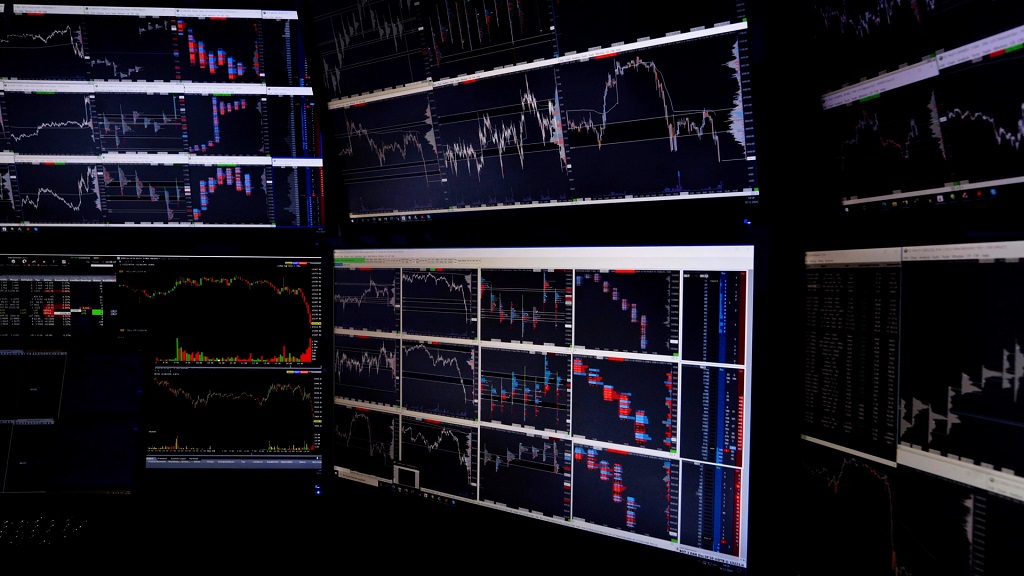
Effective visualization improves clarity during market analysis. Chart displays must present price movements and indicators in a format that remains easy to interpret during active trading sessions.
Strong visual presentation often includes several design features:
- Adjustable chart scaling and zoom capabilities
- Flexible indicator overlays
- Clear visual representation of support and resistance levels
An organized presentation of price movements, order history, and portfolio metrics allows traders to track performance easily.
Well-designed interfaces also minimize clutter and maintain focus on critical information. Traders benefit when data appears structured and easily readable during fast market activity.
High-quality visual tools enhance both analytical accuracy and overall usability.
Summary
Selecting a trading platform in 2026 requires careful evaluation of several factors influencing performance and usability.
Reliability of infrastructure, speed of execution, and system stability remain fundamental requirements for active trading environments.
Access to global markets and multiple asset classes supports flexible investment strategies.
Transparent pricing structures help traders evaluate long-term costs associated with platform usage.